Prevention & Maintenance
Smart Water Sensors and Automatic Shut-Off Valves: Worth It?
Detection alerts you. Automatic shut-off actually stops the water. That distinction decides whether the device saves you anything.
The short answer
A leak sensor only alerts you — useless if you are asleep or on a flight. An automatic shut-off valve actually closes the supply and stops the flood at gallons instead of hundreds. For a house that sits empty during the working day, the shut-off is the one that earns its cost.
We get asked about these regularly, usually by someone who has just been through a loss. The honest answer is that they range from genuinely excellent to nearly pointless, depending on which type you buy and where you put it.
The two categories
| Type | What it does | What it prevents |
|---|---|---|
| Leak sensor (detection only) | Sends a phone alert when it detects water | Nothing on its own — you still have to be reachable and able to act |
| Automatic shut-off valve | Closes the water supply when a leak is detected | The flood itself — stops at gallons instead of hundreds |
Where to put sensors
Sensors are inexpensive, so put them everywhere water can appear without being seen. In rough priority order:
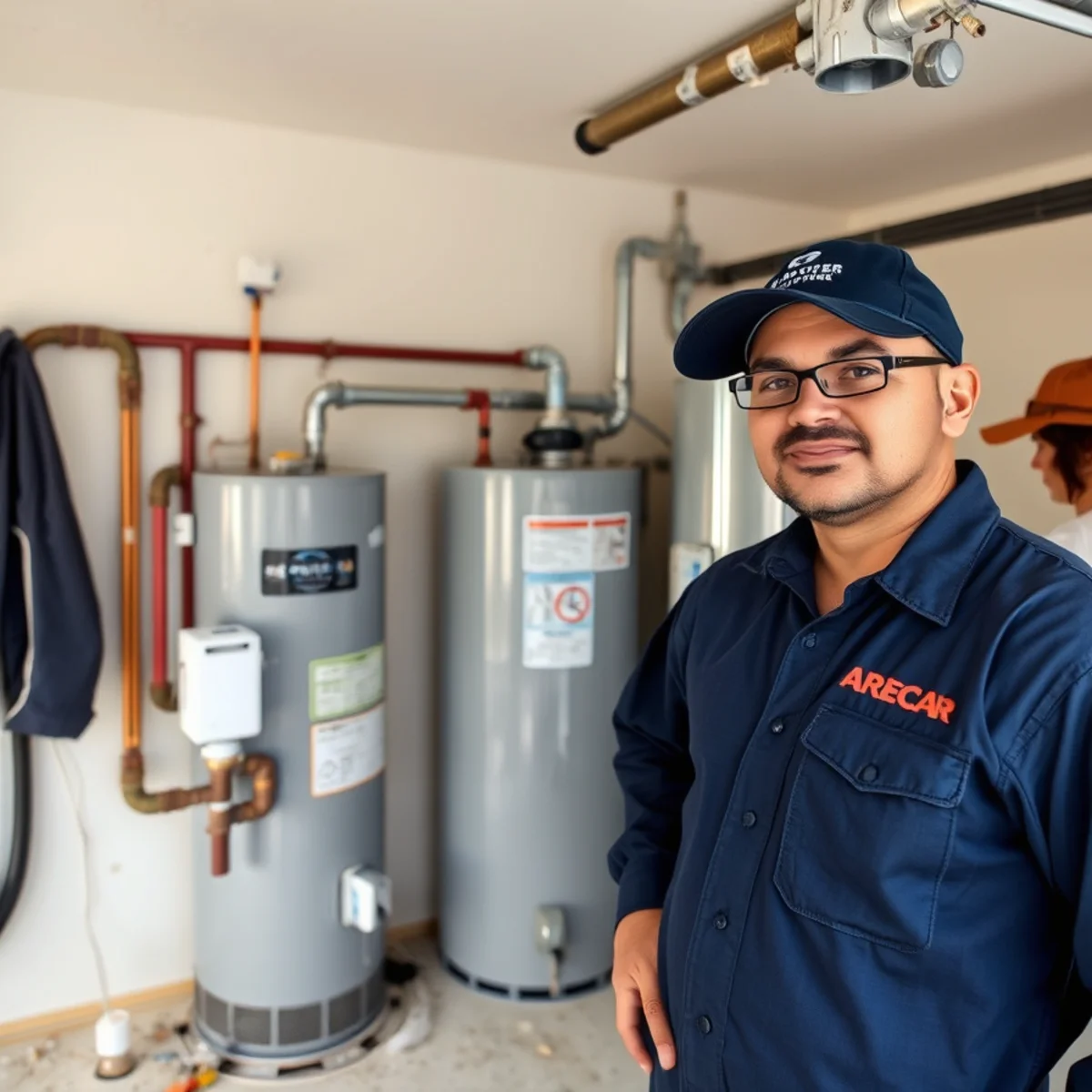
- Beside the water heater — in Downey this is nearly always in the garage, against the wall shared with your living space
- Behind the washing machine, at floor level
- Under the kitchen sink, in the cabinet base
- In the toe-kick void beside the dishwasher
- Under every bathroom vanity
- Behind the refrigerator if it has an ice maker
- Near any HVAC air handler with a condensate pan
- In the crawl space, if you have one
That list is close to a complete map of where the residential floods we attend actually start.
Automatic shut-off systems
These install on the main supply line and close it when a leak is detected. Two broad approaches:
Sensor-triggered systems close the main when any paired sensor detects water. Simple, reliable, and only as good as your sensor placement — a leak somewhere without a sensor is not caught.
Flow-monitoring systems watch the water flowing through the main and learn your household's normal patterns. They close the valve when they see something anomalous — continuous flow for an unusual duration, or a rate that does not match any normal fixture. These catch leaks anywhere in the system, including inside walls and under slabs, which sensors cannot.
Who gets the most value
- Anyone whose house sits empty during the working day — most catastrophic floods happen in empty houses
- People who travel, or who have a second property
- Owners of older homes with original galvanized or aging copper — Downey's pre-1960 stock especially
- Anyone with an upstairs laundry or bathroom over finished space
- Landlords, where a tenant may not report promptly and a vacant unit may go unchecked
- Anyone who has already had a loss, since the components that failed have siblings
What they will not catch
Worth being clear about the limits, because these devices get oversold.
- Roof leaks and storm water — these are not supply-side, so a main shut-off does nothing
- Sewer backups, which come from the drain side
- Groundwater seepage through a slab
- A slab leak, unless you have flow monitoring — a sensor on the floor will never see it
- Anything in a location you did not put a sensor, on a sensor-only system
So these are supply-side protection. They are excellent at what they do and they are not a substitute for roof maintenance, drainage clearing, or sewer lateral scoping.
Practical considerations
Battery life on sensors matters more than people expect — a sensor with a dead battery is a decoration. Choose ones that report low battery to the app, and check them when you do your annual maintenance.
Wi-Fi dependence is worth thinking about. A system that needs your network and the internet to function may not act during a power cut, which is precisely when storms cause problems. Some shut-off valves close on loss of connectivity as a fail-safe; some do not. Ask.
Installation of a shut-off valve on the main is plumbing work. It is not a large job, but it is not a DIY one either unless you are comfortable working on your main supply.
Our actual recommendation
For most Downey households: sensors at the eight locations above, and a flow-monitoring automatic shut-off on the main if the house is regularly empty during the day.
But do the maintenance first. A shut-off valve is a backstop for the failure you did not anticipate. It is not a reason to leave twenty-year-old rubber washing machine hoses in place, or to skip replacing a water heater at year fourteen.
The devices catch what you missed. The maintenance is what means there is less to miss.
Frequently asked
They are cheap and they help, but understand the limit: a sensor only alerts you. If you are asleep, on a flight, or in a meeting, the alert does nothing. They are genuinely valuable in a house that is usually occupied and as a supplement to a shut-off system. As standalone protection for a house that sits empty during the day, they are much weaker than people assume.
Only a flow-monitoring system will, and even then it will detect it rather than prevent the damage already done. Sensor-triggered systems will not — a slab leak releases water into the ground under your foundation, so no floor sensor ever sees it. Flow monitoring catches it because it notices continuous flow that does not match any normal fixture use.
Some carriers offer a discount for monitored water shut-off systems, and it is worth asking yours specifically before you buy — the discount may influence which type you choose. Do not count on it covering the cost, though. The real return is not the premium; it is not having the claim, the deductible, and the disruption.
What they will and will not catch
These are supply-side protection. They do nothing for roof leaks, storm water, sewer backups or groundwater seepage, and a floor sensor will never see a slab leak — only a flow-monitoring system catches that, because it notices continuous flow that matches no normal fixture.
Put sensors where losses actually start: beside the water heater, behind the washing machine, under the kitchen sink, in the dishwasher toe-kick, under every vanity, behind the fridge, and by the HVAC air handler.
But do the maintenance first. A shut-off valve is a backstop for the failure you did not anticipate, not a reason to leave twenty-year-old rubber hoses in place.
Services mentioned in this article
Leak Detection & Repair Coordination
Acoustic, thermal, and pressure testing that pinpoints the leak — so the repair opens one small area, not the whole floor.
Learn more24/7 Emergency Water Removal
A person answers, 24/7. Crews dispatched within 60 minutes — nights, weekends, and holidays included.
Learn moreWater Heater Leak Cleanup
Garage floods dried properly — including the shared wall that quietly wicks water into the living space next door.
Learn moreAreas covered in this article
1990s–2000s mixed-use retail and residential development on the former NASA/Rockwell site — newer construction, but…
about 9 minutes from our Florence Ave baseWarren High Area1970s–80s subdivisions around Warren High School on De Palma St — larger-lot homes whose original plumbing is now a…
about 11 minutes from our Florence Ave base