Prevention & Maintenance
When to Replace Hoses, Water Heaters and Supply Lines
Most residential floods are caused by parts worth less than lunch, failing on a schedule you could have written down.
The short answer
Rubber washing machine hoses every five years, braided stainless every ten. Supply lines under sinks and toilets every five to seven. Water heaters at ten to twelve. Angle stops at ten to fifteen. Most residential floods we attend were caused by parts costing a few dollars.
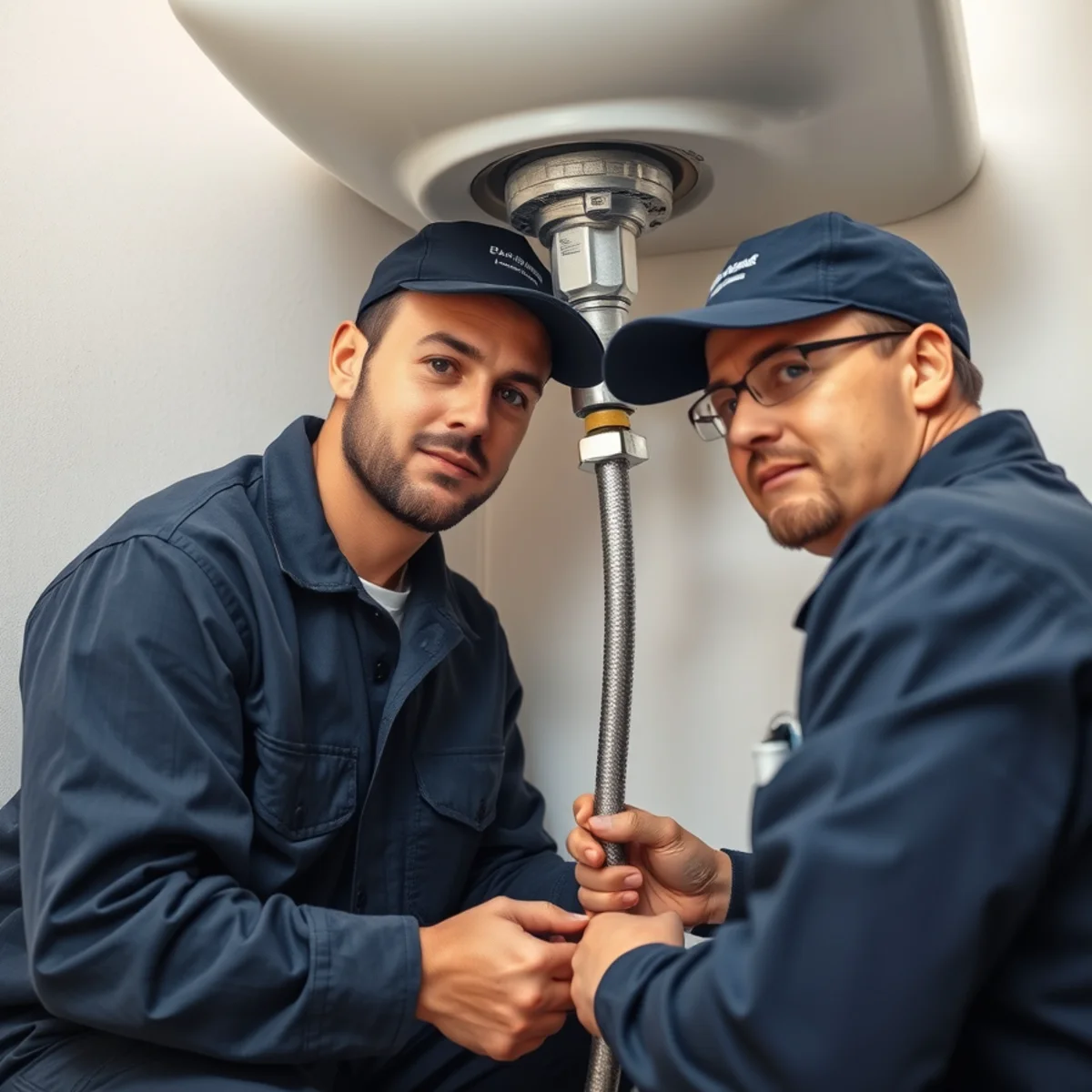
Here is an uncomfortable fact about our trade: a large share of the residential flooding we clean up was caused by components that cost a few dollars and had visible, predictable service lives.
The reason they fail is not that they are badly made. It is that nobody knows how old they are, so nobody replaces them until they let go.
The replacement schedule
| Component | Replace at | What it costs vs the cleanup |
|---|---|---|
| Rubber washing machine hoses | 5 years — or replace with braided stainless now | A few dollars vs a multi-room mitigation |
| Braided stainless washing machine hoses | 10 years | A few dollars vs the same |
| Toilet and sink supply lines (braided) | 5-7 years | A few dollars each vs a full-pressure overnight flood |
| Angle stops (shut-off valves) | 10-15 years, or whenever one seizes | Modest vs not being able to stop a leak |
| Water heater | 10-12 years in this region's water | A planned expense vs a garage flood plus drywall repair |
| Dishwasher supply line | With the machine, or 7 years | Minor vs a kitchen cabinet run and subfloor |
| Refrigerator ice maker line | 5-7 years, and use braided not plastic | Minor vs a slow leak behind a fridge nobody moves |
| Water heater drain pan and line | Inspect annually | Minor vs containing a tank failure |
Why supply lines fail
They are pressurized continuously, not just when the fixture is in use. A supply line under your sink is holding mains pressure every second of every day for years, and it fails when the material can no longer do that.
Rubber hoses perish — they harden, crack, and blister, and because they sit behind machines nobody moves, the warning is never seen. Braided stainless lasts longer but eventually frays at the crimp where the braid meets the fitting, and plastic ice maker lines become brittle.
Write the date on it
This is the single most useful habit in this entire article, and it costs nothing.
When you fit a new hose, supply line, or angle stop, write the month and year on it with a permanent marker. Nobody remembers when they last did this, and that uncertainty is exactly why components stay in service for twenty years — the homeowner is not being negligent, they genuinely have no way to know.
Same for the water heater: note the manufacture date from the serial plate somewhere you will find it again.
Water heaters specifically
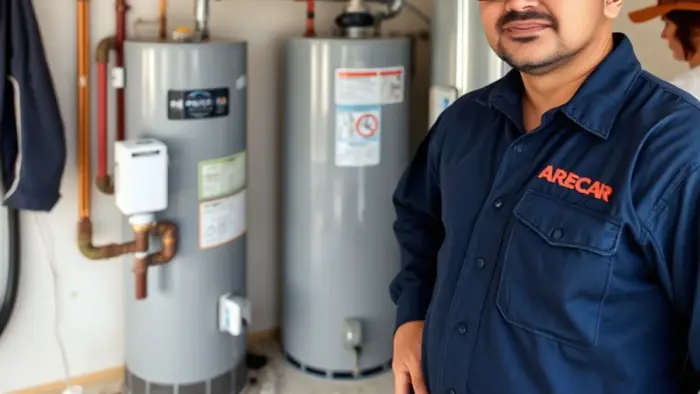
Ten to twelve years is typical service life in this region's water conditions, and tanks rarely fail gracefully. The signs that yours is close:
- Any water pooling at the base — usually means the inner tank has already corroded through
- Rust along the bottom seam of the tank
- Rusty or discolored hot water
- Popping, rumbling or knocking as it heats — that is sediment
- Hot water running out faster than it used to
- Water discharging from the temperature and pressure relief valve
Flushing annually and replacing the anode rod extends service life meaningfully. Both cost far less than a garage flood — and in Downey, where nearly every tank sits in a garage against the wall shared with the living space, that flood reaches your bedroom drywall whether you notice or not.
What to do while you are in there
If you are replacing a water heater, get three things done at the same time. Two seismic straps anchored into framing, upper third and lower third — this is required by California Health and Safety Code section 19211, and it applies to existing heaters as well as new ones. A drain pan under the tank. And a drain line from that pan routed somewhere other than your garage floor, because a pan with no line just holds a few gallons before overflowing.
For landlords and property managers
Across our rental-heavy service areas — Norwalk, Paramount, Lynwood — a disproportionate share of the floods we attend are these exact components in tenanted property. Tenants do not own the plumbing, do not move the washing machine, and would not recognize a bulging hose.
Building this into turnover is the highest-return maintenance available. An afternoon per unit, a few dollars in parts:
- Replace washing machine hoses with braided stainless, dated
- Replace supply lines under every sink and toilet if over seven years or unknown
- Test every angle stop actually turns, and replace any that seize
- Record the water heater manufacture date and plan replacement at ten to twelve years
- Confirm water heater straps are present, doubled, and anchored into framing
- Note it all on a sheet so the next turnover knows what was done and when
The upgrade worth considering
For a house that sits empty during the working day, a leak sensor with an automatic shut-off valve on the main is the most effective single device you can install. Water hits the sensor, the valve closes, and the flood stops at a few gallons instead of a few hundred.
It does not replace the maintenance above — it catches the failure you did not anticipate.
Frequently asked
Usually you cannot, which is the whole problem. If you do not know, assume they are due and replace them — braided stainless supply lines cost a few dollars each. Then write the month and year on each one with a permanent marker so the next person, including future you, does not face the same uncertainty.
Past ten to twelve years, yes. Tanks rarely fail gracefully — the usual mode is the inner tank corroding through and releasing at mains pressure, which continues until someone closes a valve. A planned replacement is a scheduled expense; a failure in a Downey garage is that expense plus a flooded slab and drywall repair on the wall shared with your bedroom.
Yes, meaningfully. Rubber perishes, hardens, and blisters, and it does so behind a machine nobody moves so the warning is never seen. Braided stainless lasts roughly twice as long and fails more gradually, usually fraying at the crimp where you can see it. They cost a few dollars more. There is no good reason to keep rubber hoses on a washing machine.
The habit that makes all of this work
Write the date on the part with a permanent marker when you fit it. Nobody remembers when they last did this, and that uncertainty is precisely why components stay in service for twenty years and then flood a house.
Supply lines are pressurized every second of every day, not just when the fixture is in use. When one fails it releases at full mains pressure and continues until someone closes a valve — which is why they fail while the house is empty.
For landlords across our rental-heavy areas this is the highest-return maintenance available: an afternoon per unit and a few dollars in parts removes most of the claims you would otherwise be filing.
Services mentioned in this article
Water Heater Leak Cleanup
Garage floods dried properly — including the shared wall that quietly wicks water into the living space next door.
Learn more24/7 Emergency Water Removal
A person answers, 24/7. Crews dispatched within 60 minutes — nights, weekends, and holidays included.
Learn moreResidential Water Damage Restoration
One team from the first extraction to the last coat of paint — no handing you off to three other contractors.
Learn moreAreas covered in this article
1960s–70s tracts feeding Downey High School — denser housing with shared walls and original plumbing right at the r…
about 7 minutes from our Florence Ave baseParamountFormed from the old hay-shipping communities of Hynes and Clearwater — 1940s–50s war-worker housing and 1960s tract…
about 10 minutes from our Downey base