
7 min read
HOA and Condo Water Damage: Unit Owner vs. Common-Area Responsibility in California
The restoration is the straightforward part. Working out whose policy pays for which half of a wall is where these get complicated.
Read article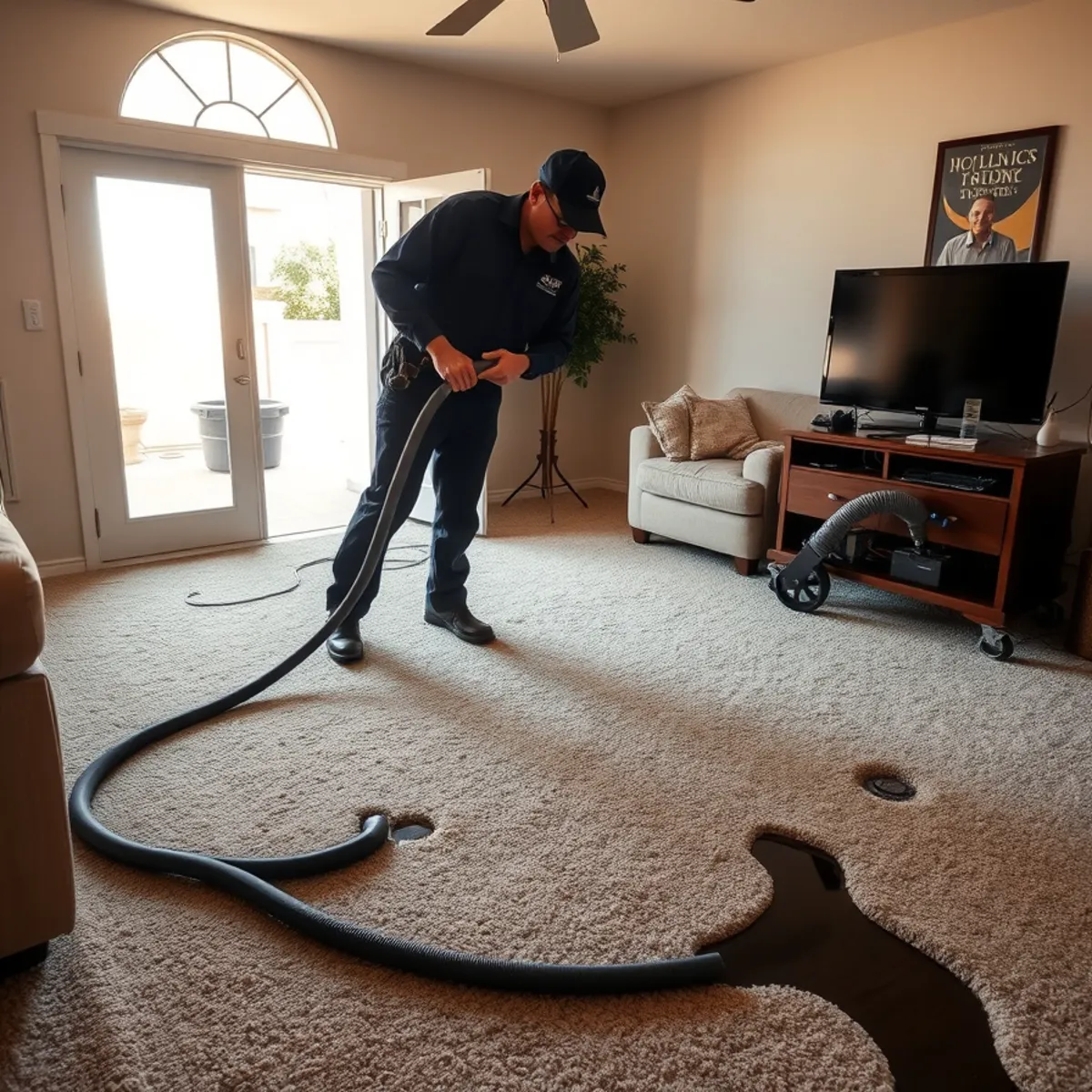
Crews available right now — 24/7
Water is still spreading, and every hour matters. We answer 24/7, dispatch within 60 minutes across Downey and the Gateway Cities, and document everything from the first hour for your insurance claim.
What we do
From the first gallon extracted to the final coat of paint — so you are not left coordinating three contractors after the crew leaves.
Losses that cannot wait until morning. A person answers the phone at 3 a.m., and crews roll within 60 minutes.
The full restoration chain, from the first gallon extracted to the final moisture reading.
The specific failures we see most in Downey's housing and commercial stock — matched to how each type of building actually fails.
Why us
Most of it is unglamorous: answering the phone, measuring properly, and writing things down.
Not a voicemail box, not an offshore call center. The dispatcher takes your details, walks you through shutting off the water safely, and gets a crew moving while you are still on the line.
North Downey's post-war bungalows fail differently from the 1960s slab tracts in South Downey. We know which neighborhood you are in before we arrive, and what we are likely to find.
Every job gets a dry standard set from unaffected material in your own home, daily readings at marked points, and a written moisture log. Equipment comes out when the numbers say so, not when the calendar does.
Pre-mitigation photography, a moisture map of the real affected area, daily drying logs, and an itemized scope. We will meet your adjuster on site and walk the loss with them.
Most companies dry your house and leave you to find a drywall contractor, a flooring installer and a painter. We carry it through to the last coat, on one schedule.
We do not perform plumbing, so when we say you should price a repipe rather than patch again, there is nothing in it for us. We would rather tell you the truth than sell you a repeat visit.
The golden hour
Water damage does not progress in a straight line. It accelerates, and it crosses thresholds — each one moving the job into a more expensive category than the one before it.
That is the whole reason we staff a line overnight. The difference between a call at 11 p.m. and a call at 8 a.m. is rarely the difference between two invoices. It is usually the difference between drying your floor and replacing it.
10–15%
Cost increase per hour
Industry research puts the escalation at roughly 10 to 15 percent for every hour water sits without extraction.
24 hours
Mold colonization begins
On wet cellulose like drywall paper, colonization can start inside 24 hours. Visible growth follows days later.
72 hours
Subfloor rot starts
Past three days, saturated subfloor and framing move from a drying problem into a demolition and rebuild problem.
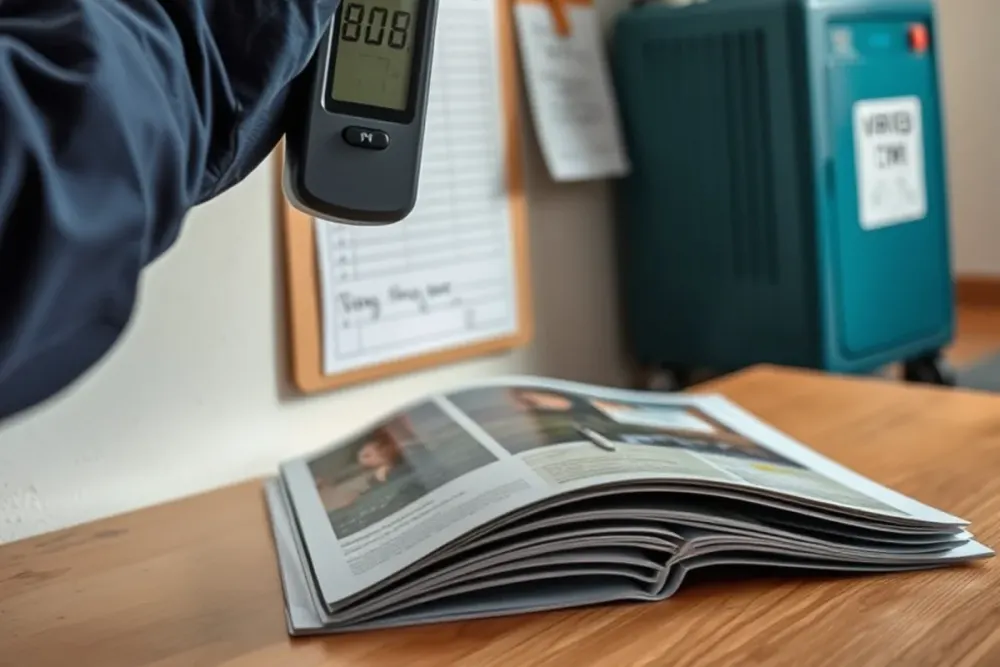
| Time | What we do | What you do |
|---|---|---|
| 0–1 hour | Call answered, crew dispatched | Shut off the water at the main. Cut power to affected areas only if the panel is dry and safely reachable. Photograph everything before moving anything. |
| 1–2 hours | Arrival and inspection | Show us the affected areas and share your claim number if you have one. |
| 2–4 hours | Extraction begins | Stay clear of the equipment. Move valuables if you have not already. |
| 24 hours | Drying equipment placed and running | Keep doors and windows closed, and leave the equipment running. |
| 24–48 hours | The mold risk window — monitored daily | Report any new water or odor immediately. |
| 3–5 days | Structural drying complete, verified against the dry standard | Walk the job with us and take the moisture log for your claim. |
While you wait
Do only the steps that are safe. If water has reached outlets, appliances or the electrical panel, skip straight to the last one and wait outside.
If the source is a supply line or an appliance. In most Downey homes the main is on the street-facing side near the hose bib, or in the meter box at the sidewalk. Clockwise to close.
At the breaker — but only if the panel is dry and safely reachable. Never walk through standing water in a room where the power is still on.
Wide shots of each room, close-ups of damage, the water line on the walls, and appliance serial plates. Pre-mitigation photos carry the most weight with adjusters.
Most policies require notification within 24 hours, and delayed reporting is a legitimate basis for reducing a claim. You do not need to know the extent yet — you need a claim number.
Electronics, documents, anything with fabric or paper. Put foil or wood blocks under furniture legs so finishes do not bleed into wet carpet.
Not on contaminated water. Fans aerosolize contamination into the air your household is breathing — the single most harmful mistake we see.
Call the 24/7 line and the dispatcher will walk you through these while a crew is already on the way. +1 (201) 277-9344
Stop reading and call. The dispatcher will walk you through shutting off the water while a crew is already on the way.
Our process
Every job follows the IICRC S500 Standard for Professional Water Damage Restoration. Most Downey homes are through the mitigation phases in three to five days; the rebuild depends on scope.
We identify the water source, determine the category and class, and map hidden moisture with meters and thermal imaging before anything is touched.
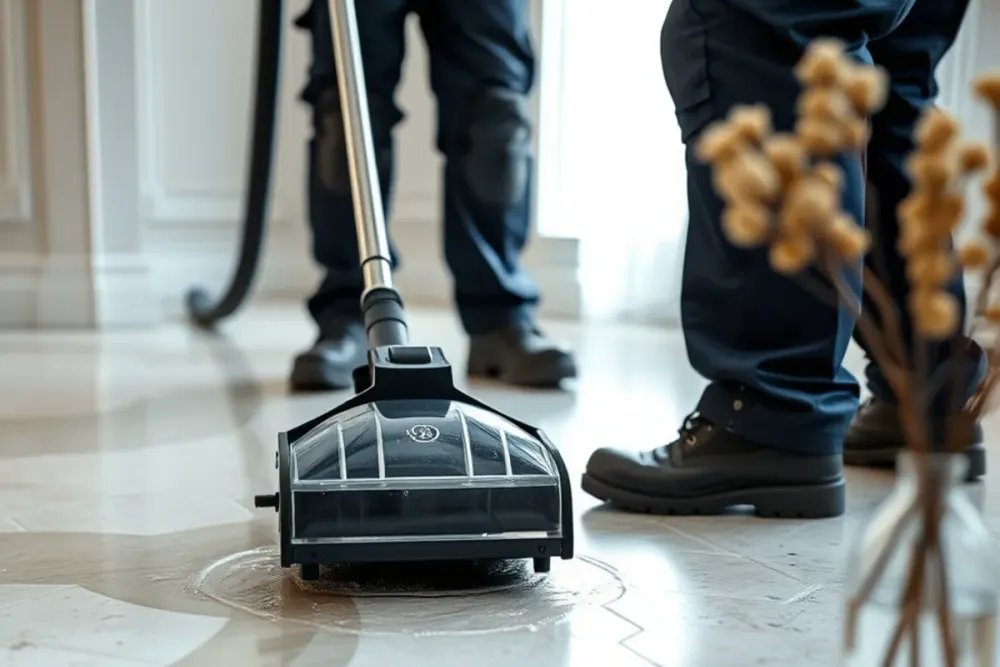
Truck-mounted extractors and submersible pumps remove standing water and pull it out of carpet, pad and assemblies. This begins on the first visit, always.
Air movers and dehumidifiers sized to the space and class of loss, running until metered readings reach the dry standard. Typically three to five days.
Affected surfaces cleaned then disinfected, with HEPA air scrubbing throughout. Category 2 and 3 losses get the full antimicrobial protocol.
Where growth is present or the loss sat long enough to make it likely, containment goes up and remediation is done properly rather than hoping drying was enough.
Drywall, insulation, flooring, baseboards, cabinetry and paint, with texture matched to the existing finish. The phase most emergency-only companies hand off.
Daily moisture readings, photographs and an itemized scope compiled into a claim file, from the first hour through completion.
We walk the completed work with you, confirm readings are back to normal, and hand over the full documentation package.
That full sequence is what a residential water damage restoration job looks like end to end, and the structural drying phase is where most of the days go.
Know what you are dealing with
Before anything else, a restoration crew classifies the water. That single decision drives what gets saved, what gets removed, what protective equipment is used, and what it costs.
The one most people get wrong: clean water does not stay clean. Category 1 degrades to Category 2 within roughly 48 hours as microbial activity establishes. A burst supply line left until Monday is not a clean-water loss any more.
| Category | Typical source | Health risk | What it means for your home |
|---|---|---|---|
| Category 1 — clean | Broken supply line, tub or sink overflow, appliance supply line | Low | Extract, dry and dehumidify promptly. Many materials are salvageable if dried within 24–48 hours. |
| Category 2 — gray | Washing machine or dishwasher discharge, toilet overflow with urine, sump failure | Moderate if ingested | Extract, remove affected porous materials, disinfect and dry. Technicians work in protective equipment. |
| Category 3 — black | Sewage backup, floodwater from outside, toilet overflow with feces | High — pathogens and bacteria | Containment, full PPE, HEPA filtration, removal and regulated disposal of all affected porous material. |
Category is about contamination. Class is about volume and how stubborn the materials are, and it drives the timeline rather than the safety protocol.
Downey produces a lot of Class 4. The pre-1960 stock has lath-and-plaster walls and the 1960s–70s tracts are slab-on-grade — both hold moisture and release it slowly, which is why a properly quoted job here sometimes runs longer than a national average suggests.
There is a fuller explanation in our guide to the water damage categories, and Category 3 losses are handled under sewage cleanup.
Local risk
After enough jobs in one city you stop guessing. Downey's losses cluster around a short list, and which one you get correlates closely with when your house was built.
The post-war bungalow belt across North Downey, the Woodruff/Florence corridor and Studebaker/Firestone was plumbed with galvanized steel — designed for about fifty years and now at seventy-five. Rust-tinted water and declining pressure are the countdown.
Burst pipe cleanupSouth Downey, the Apollo neighborhood and the Warren High subdivisions are slab-on-grade with copper underneath, now fifty-five to sixty-five years old, in clay soil that flexes it every season.
Slab leak restorationDowney puts the tank in the garage almost universally, against the wall shared with the living space. When it fails, that shared wall is wet more often than not by the time we arrive.
Water heater leak cleanupWashing machine hoses, dishwashers and refrigerator ice makers. These are pressurized around the clock, so they fail while the house is empty and run for hours.
Water extractionSanta Ana winds lift tiles and tear flashing in October, and it leaks nothing until the first real rain. Cracked plumbing vent boots are the most common single roof leak source in this city.
Roof leak restorationMature 1950s–60s street trees send roots into clay-tile laterals through joints that decades of soil movement have opened. Slow drains and gurgling fixtures are months of warning.
Sewage cleanupClimate risk modeling puts roughly 24% of buildings in Downey at meaningful flood risk, with five of the city's census tracts having more than half their buildings exposed. That surprises people for a city most would not call flood-prone.
The mechanism has changed rather than disappeared. Downey grew up in the floodplain between the San Gabriel River and the Rio Hondo, and both are now concrete channels operated by the LA County Flood Control District with Whittier Narrows Dam upstream. Riverine flooding of the historical kind is largely engineered away.
What replaced it is urban flooding, and it is driven by intensity rather than total rainfall. Two inches over a day drains away. Two inches in an hour overwhelms the storm drains, backs up at the inlets and goes to the lowest doorway — which is why we see losses on streets with no flooding history at all.
The lowest ground goes first: Rio San Gabriel and South Downey below Imperial Highway. Storm losses are handled as flood cleanup, because water that came in from outside is Category 3 regardless of how clear it looked.
Insurance
We are a restoration contractor, not a public adjuster. We do not negotiate your settlement, and we would be skeptical of anyone who promises to get your claim approved — that is not something a contractor controls.
What we do is remove the reasons claims get reduced. Most disputes start with a gap in the evidence, and that gap is entirely preventable.
Two things worth reading before you file: what California homeowners insurance does and does not cover, and how to document a loss properly.
What it costs
Most restoration companies refuse to discuss price until they are standing in your house. We understand why — an accurate number genuinely needs a moisture map, because the wet area is nearly always larger than the visible one. But refusing to talk about it at all leaves you unable to plan.
So here are the published national research figures. They are for orientation, not a quote, and Southern California labor and materials differ from national averages.
| Phase | Published national range | What it covers |
|---|---|---|
| Full restoration, average | $3,867 | National average across all loss types and sizes |
| Typical range | $1,384 – $6,384 | Where most residential losses land |
| Mitigation | $3.00 – $7.50 per sq ft | Extraction, drying equipment, monitoring, antimicrobial |
| Repair and rebuild | $20 – $37 per sq ft | Drywall, flooring, paint, trim, cabinetry |
The full spread runs from roughly $150 for a trivial job to six figures for a catastrophic one. Note the gap between the last two rows: rebuild costs several times more per square foot than mitigation, which is exactly why keeping a loss in the mitigation-only category is where the money is actually saved.
Category 3 adds containment, protective equipment, HEPA filtration, mandatory material removal and regulated disposal. The same square footage can differ by a factor of two on category alone.
The largest controllable factor, and the one entirely in your hands. Same-day mitigation usually keeps a loss in extraction-and-dry.
Tile over slab extracts quickly. Carpet with pad takes longer. Hardwood, multi-layer flooring and saturated wall cavities need specialty equipment and more hours.
Priced on the metered wet perimeter, not the room count — and that perimeter is almost always larger than it looks.
Your estimate is free, on site, and itemized in writing before any work is authorized. If the honest answer is that you have a small problem you can handle yourself, we will tell you that.
There is a fuller breakdown in our 2026 Downey cost guide.
Locally based
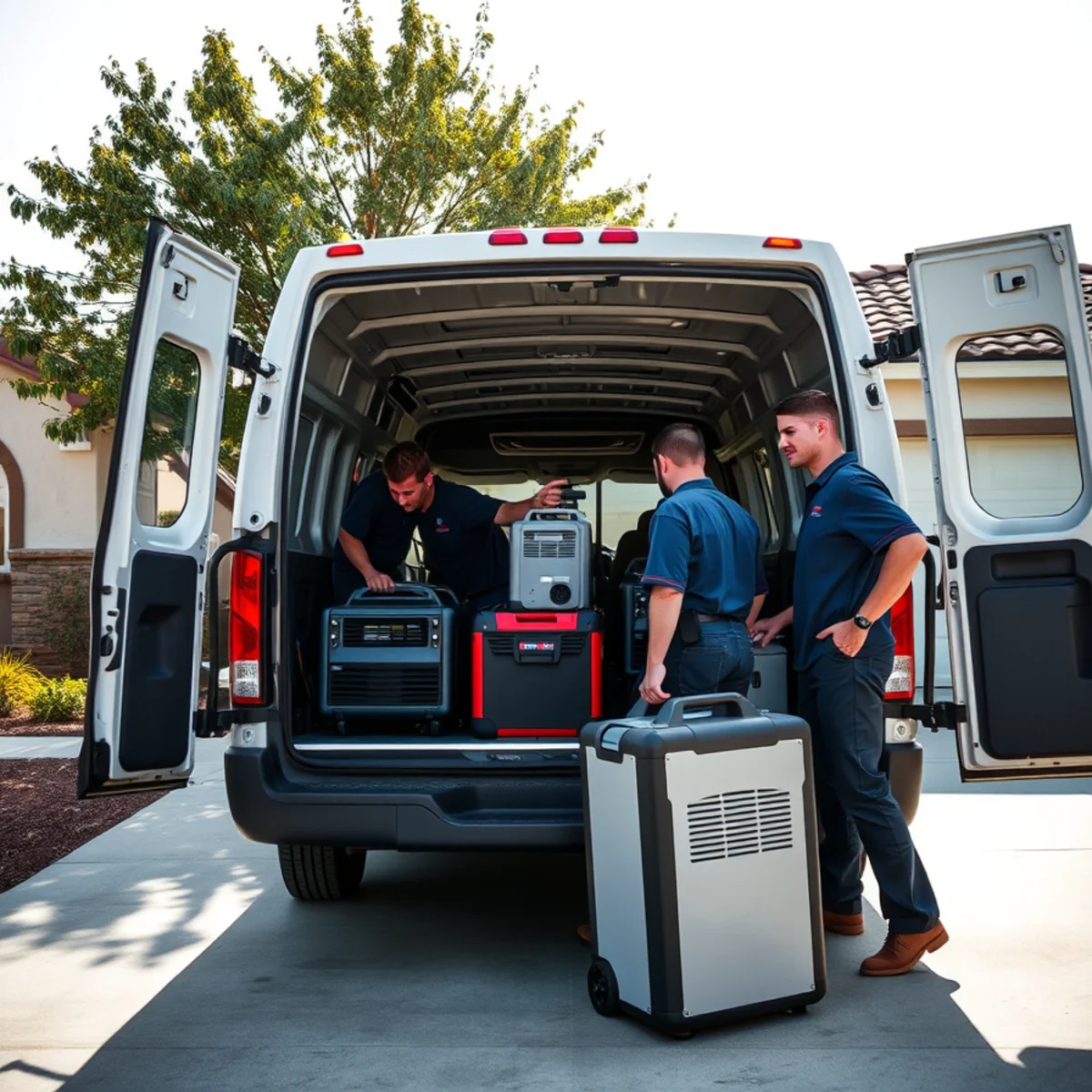
Our base is 8615 Florence Ave in Downey, CA. That is not a mailing address — it is why most of Downey is a five to twelve minute drive, and why we can commit to a 60-minute dispatch across the Gateway Cities and actually mean it.
It also means we know the housing. The post-war bungalows in North Downey and along the Woodruff/Florence corridor are on original galvanized supply lines that were designed to last fifty years and are now at seventy-five. The 1960s and 70s slab tracts in South Downey and the Apollo neighborhood are slab leak country, on clay soil that flexes buried copper every season. We arrive knowing what we are likely to find.
If you are outside our radius, we will tell you rather than send a truck on a ninety-minute drive while your house gets wetter.
We publish what we can evidence, and nothing we cannot.
License and certification numbers are published in our footer once issued — and you should be wary of any contractor who prints numbers they cannot back up.
Where we work
Neighborhood by neighborhood, because a city is not uniform — and neither is the way its buildings fail.
Also serving, 20–30 minutes out:
What the work looks like
Representative accounts of the losses we work on, written by our team. We are collecting verified customer reviews and will publish them here as they come in.
A couple had been chasing a musty smell for two months with nothing visibly wet — no stain, no drip, no high bill. We metered the floor and found nothing, then opened the crawl space hatch. Standing water across a third of it, fed by a pinhole in a galvanized line. On raised-foundation homes this is where the water goes, and nobody looks.
A supply line failed while the family was out, and water reached the original oak in the dining room. Boards were already cupping at the edges. We set floor drying panels directly on them to pull moisture up through the wood. Eight days of metering — considerably longer than the room around them — and the floor flattened back out. No board replacement.
Water came through a back-room ceiling from a failed supply line in the unit above, which had been running for hours. We extracted that night and set containment so the sales floor could open Monday morning, running drying behind a barrier. The plaster wall cavity took five days to reach the dry standard. They never closed a day.
From the blog
The restoration is the straightforward part. Working out whose policy pays for which half of a wall is where these get complicated.
Read article
Structure and systems sit with the owner; contents and negligence sit with the tenant. Everything else is documentation and speed.
Read article
For a retail tenant the restoration invoice is rarely the biggest number. The closure is. Plan around that and everything else follows.
Read articleFind us
Common questions
We dispatch within 60 minutes across Downey and the neighboring Gateway Cities, 24 hours a day. From our base on Florence Ave most of Downey is a 5 to 12 minute drive, so crews are usually working well inside that window. During a major storm event, when call volume spikes across the whole basin, we will give you an honest arrival window rather than a number we cannot hit.
Yes, and a person picks up — not a voicemail box and not an offshore call center. The dispatcher takes your details, stays on the line to walk you through shutting off the water and cutting power safely, and gets the crew moving while you are still talking.
Three to five days is the honest typical range for structural drying, and most jobs land there. What extends it is materials rather than the amount of water — hardwood, plaster, and concrete all release moisture slowly. Downey's pre-1960 homes have plaster walls and its 1960s–70s tracts are slab-on-grade, so both can run longer. We meter daily and pull equipment when the readings hit the dry standard, not when the calendar says three days.
For clean Category 1 water it usually is, provided the power situation is safe and the affected area is isolated — though those rooms will be noisy and off-limits while equipment runs. For Category 2 or 3 water, including sewage and anything that came in from outside, we often recommend staying elsewhere. The threshold moves for households with infants, elderly residents, anyone pregnant or immunocompromised. We will tell you plainly which situation you are in.
Sudden accidental events — a burst pipe, a failed water heater, an appliance overflow — are usually covered minus your deductible. Gradual damage from a leak that was known about and left, and natural flooding without separate flood coverage, are typically excluded. We document the loss thoroughly from the first hour and work directly with your adjuster, which is where most claim disputes are prevented.
A small clean-water spill on a hard floor that you caught immediately, yes. Anything that soaked carpet, crossed a room, or reached a wall base, no — a shop vac pulls surface water but leaves the pad, subfloor, and wall cavities wet, and those are exactly where mold starts. It also cannot tell you whether the assemblies underneath are dry; that takes a moisture meter. Never use a household vacuum or box fans on contaminated water.
Colonization can begin within 24 to 48 hours on wet cellulose material like drywall paper, with visible growth following within a few days to a couple of weeks. That is exactly why we push so hard on same-day extraction and metered drying — a loss that is fully dried inside 48 hours very rarely becomes a mold job.
We will not quote over the phone, because an accurate figure needs a moisture map — the wet area is nearly always larger than the visible one. For orientation, published national research puts the average around $3,867 with a typical range of roughly $1,384 to $6,384, mitigation around $3 to $7.50 per square foot, and repair around $20 to $37 per square foot. Those are national figures, not a Downey quote. Your on-site estimate is free and itemized before any work is authorized.
Free on-site estimate, itemized before any work is authorized. If the honest answer is that you can handle it yourself, we will tell you that.