Commercial & Property Managers
Water Damage in a Retail Space: A Response Plan for Downey Tenants
For a retail tenant the restoration invoice is rarely the biggest number. The closure is. Plan around that and everything else follows.
The short answer
For a retail tenant the restoration invoice is rarely the biggest number — the closure is. So the plan is built around continuity: know where your sprinkler riser is, keep a 24/7 restoration number on the emergency sheet, and get stock off the floor before anything happens.
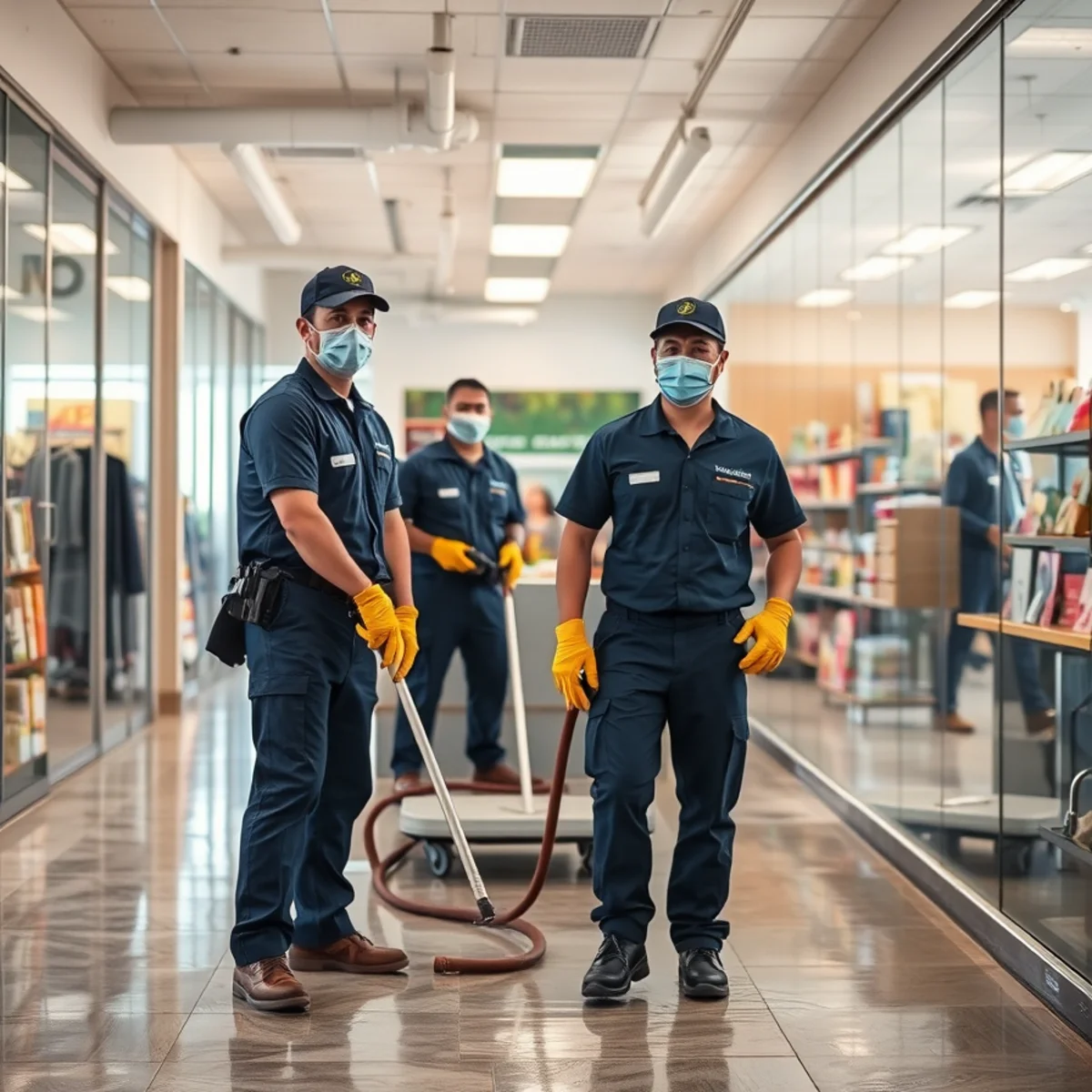
If you run a store at the Stonewood Center corridor, at Downey Landing, or anywhere along the Firestone Boulevard retail strip, the thing to understand about water damage is that the cleanup is usually the smaller cost.
A week of lost trading, damaged stock, and customers who went somewhere else and stayed there — that is the number that hurts. So a retail response plan is organized around continuity, not around the water.
Before anything happens: three free things
1. Know where your sprinkler riser and control valve are
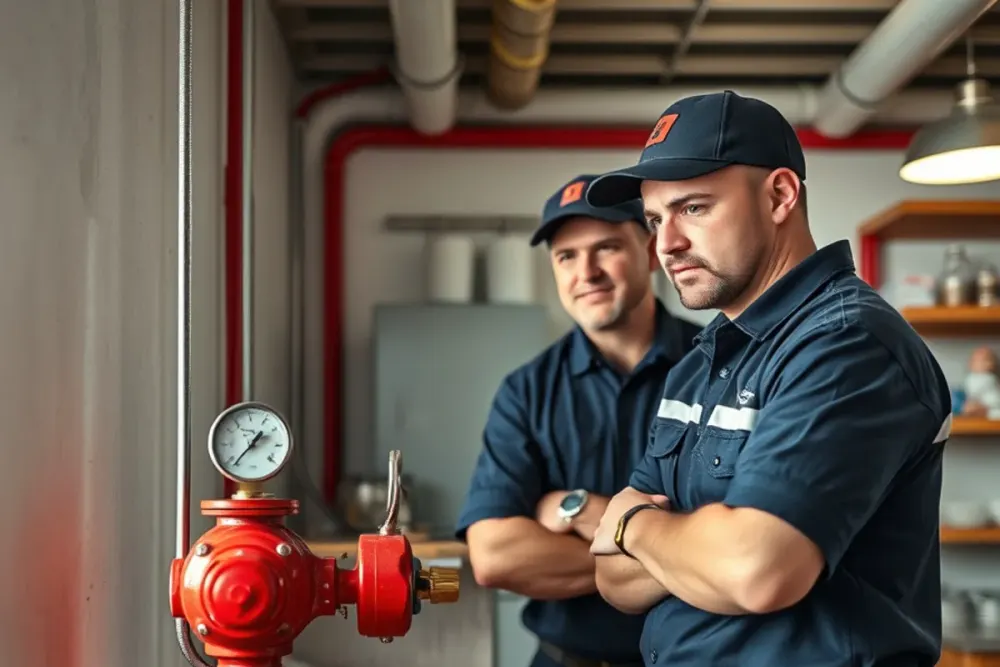
A single activated sprinkler head discharges roughly 20 to 25 gallons per minute and continues until someone closes the control valve. Twenty minutes is 400 to 500 gallons onto your sales floor.
Make sure every closing manager knows, not just the owner. Discharges do not respect business hours.
2. Put a 24/7 restoration number on the emergency sheet
At 9 p.m. on a Sunday, time spent searching for a company that actually answers is time the water keeps spreading. Have the number before you need it.
Better still, send your building details in advance — access arrangements, riser location, alarm codes, and who can authorize work overnight. We keep that on file so we are not working it out on the phone during your emergency.
3. Get stock off the floor
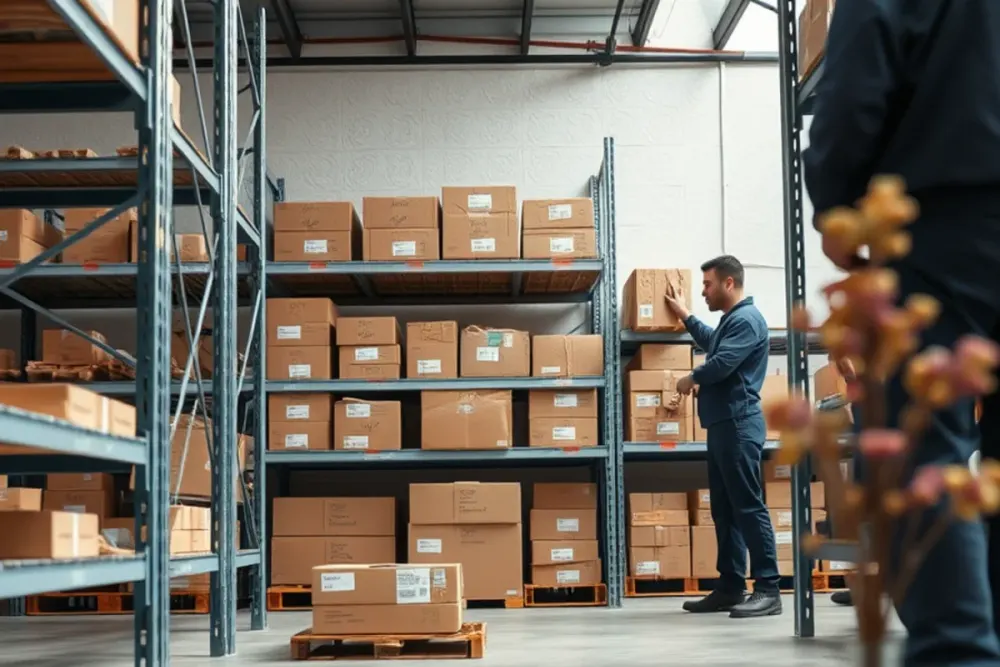
Bottom-shelf and floor-level storage is the most avoidable loss in retail. A couple of inches of water destroys the bottom layer of everything, and cardboard packaging wicks water upward within minutes and collapses within hours.
Raising the lowest storage level even six inches eliminates a large share of that exposure.
When it happens: the first thirty minutes
- Stop the water — close the sprinkler control valve at the riser, or the main, or the affected fixture
- Make it safe — cut power to affected circuits if water has reached outlets or equipment, and get customers and staff clear
- Call the restoration company before you start moving things
- Photograph everything before anything moves — this is your claim, and pre-mitigation photos carry the most weight
- Notify your landlord or property manager, which is usually a lease requirement
- Open the claim with your carrier and get a claim number
- Start moving stock away from the water, working from the edges inward
Why sprinkler water stains everything
Sprinkler water has been sitting in black steel pipe for years. It comes out dark, rusty, and heavily mineral-laden, and it stains porous materials severely — carpet, ceiling tile, fabric, packaging, and stock.
On an inventory-heavy tenancy that staining is frequently the largest single component of the loss, which is why triage in the first hour matters more than drying speed. Getting product out of the affected zone beats getting air movers running.
How we keep you trading
- Zone containment — physical barriers isolating the affected area so the rest of the floor stays open and clean
- After-hours scheduling for the disruptive stages: demolition, extraction, and equipment moves outside your trading hours where the timeline allows
- Equipment running around the clock regardless, because drying does not pause for opening times
- Progressive release — areas handed back as they clear rather than all at the end
- An honest timeline on day one, so you can tell staff and customers something true
Full closure is sometimes unavoidable — Category 3 water, or a large affected area. If that is your situation we will say so on day one rather than letting you discover it midway through.
The documentation your claim needs
Commercial claims involve more parties than residential ones — your carrier, your landlord's, and sometimes a neighboring tenant's. The documentation has to survive that.
- Pre-mitigation photographs, before anything moved
- Origin of the loss and the migration path, particularly if it came from another tenancy
- A moisture map showing the real affected area
- Daily drying logs with readings, humidity, and temperature
- An itemized scope in the format commercial carriers expect
- Area-by-area completion records, which support a business interruption claim
- An inventory triage record — what was salvaged, what was not, and why
Business interruption
If you carry business interruption coverage, the claim depends on a credible operational record: when the loss occurred, which areas were unusable, when each came back into service, and what could not be traded from.
We supply that record. Your carrier or accountant calculates the financial loss — but that calculation is only as good as the operational evidence behind it, and reconstructing it after the fact is much weaker than documenting it as you go.
If the water came from another tenancy
Common in multi-tenant retail, and the liability question can take weeks. Do not let it delay mitigation — every hour of delay makes the eventual claim larger, and insurers expect prompt mitigation regardless of who ultimately pays.
We document origin, migration path, and per-tenancy damage separately, so apportionment gets settled from evidence rather than argument. It is far easier to divide a well-documented loss than to reconstruct an undocumented one.
Frequently asked
Usually at least partly. We contain the affected zone so the rest of the floor keeps trading, and schedule demolition, extraction and equipment moves outside your hours where the timeline allows. Full closure is sometimes unavoidable with contaminated water or a large affected area — and we will tell you that on day one so you can plan, rather than partway through.
Because it has sat in black steel pipe for years. Sprinkler water is heavily rust-laden and stains porous materials severely — carpet, ceiling tile, fabric, packaging and stock. On an inventory-heavy tenancy that staining is often the largest part of the loss, which is why the first hour goes to getting product out of the affected zone rather than to setting up drying.
Make sure every closing manager knows where the sprinkler riser and control valve are. A head discharges 20 to 25 gallons a minute until someone closes that valve, so the difference between a five-minute discharge and a forty-five-minute one is entirely about who can reach it. It costs nothing and it is the single biggest variable in the size of the loss.
Three free things, done before the emergency
A single sprinkler head discharges 20 to 25 gallons a minute until someone closes the control valve. The difference between a five-minute discharge and a forty-five-minute one is entirely about who on site can reach that valve — so make sure every closing manager knows.
Sprinkler water has sat in black steel pipe for years and comes out rust-laden, staining carpet, ceiling tile, packaging and stock severely. On an inventory-heavy tenancy that staining is usually the largest part of the loss, which is why the first hour goes to triage rather than drying.
If water comes from a neighboring tenancy, do not let the liability question delay mitigation. We document origin, migration path and per-tenancy damage so apportionment is settled from evidence afterwards.
Services mentioned in this article
Commercial Water Damage Restoration
Phased, after-hours restoration that keeps you trading — with documentation your carrier and your landlord both accept.
Learn more24/7 Emergency Water Removal
A person answers, 24/7. Crews dispatched within 60 minutes — nights, weekends, and holidays included.
Learn moreStructural Drying & Dehumidification
Metered, monitored drying that takes the structure back to its dry standard — not just the surface you can touch.
Learn moreAreas covered in this article
The commercial-retail corridor anchored by Stonewood Center — retail water losses from sprinkler-line breaks and ro…
about 6 minutes from our Florence Ave baseDowney Landing1990s–2000s mixed-use retail and residential development on the former NASA/Rockwell site — newer construction, but…
about 9 minutes from our Florence Ave base