7 min read
HOA and Condo Water Damage: Unit Owner vs. Common-Area Responsibility in California
The restoration is the straightforward part. Working out whose policy pays for which half of a wall is where these get complicated.
Read article
Blog
42 articles written by the crew that does the work — what to do in the first hour, what it actually costs, and why Downey's housing fails the way it does.
The restoration is the straightforward part. Working out whose policy pays for which half of a wall is where these get complicated.
Read article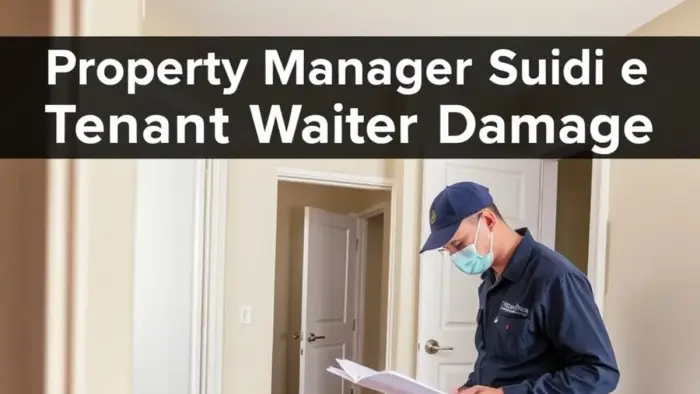
Structure and systems sit with the owner; contents and negligence sit with the tenant. Everything else is documentation and speed.
Read article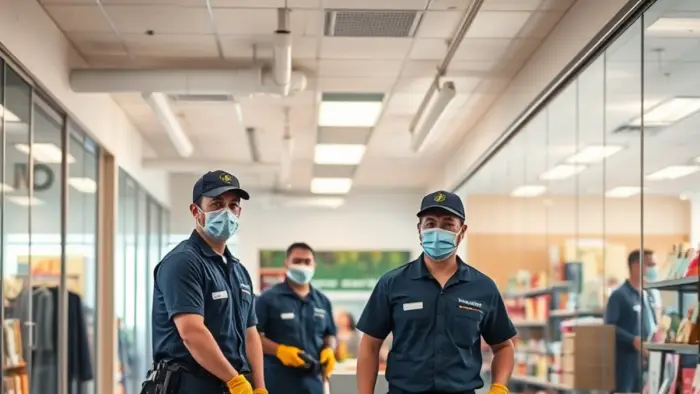
For a retail tenant the restoration invoice is rarely the biggest number. The closure is. Plan around that and everything else follows.
Read article8 articles
What to do in the first hour, while the water is still moving.
7 articles
What restoration actually costs, and what your California policy does and does not pay.
12 articles
The questions people ask us mid-job, answered properly.
7 articles
Local risk, local history, and the specific ways Downey buildings fail.
5 articles
The maintenance that stops us being called at all.
3 articles
Retail tenants, property managers, HOAs, and multi-party losses.
Common questions
The crew that does the work. Every guide here comes out of jobs run in Downey and the surrounding Gateway Cities — the failures we see repeatedly, the questions homeowners ask on site at two in the morning, and the small decisions that turn a contained loss into an expensive one. Nothing here is stock content rewritten for a different city. Where an article cites a standard it is the IICRC S500, which is the reference professional restoration work is measured against.
Sometimes, and the articles say so when it is true. A clean-water spill caught within minutes on a hard floor is genuinely a mop-and-fan job. What you cannot do from a keyboard is measure moisture inside a wall cavity or under a subfloor, and that is where the expensive mistakes live — a surface that feels dry over framing that is not. Use these guides to understand what you are looking at, then decide whether the situation warrants a meter.
The building science moves slowly, but local specifics do not. Articles that reference storm seasons, flood mapping or cost ranges carry a date on the page so you can see how recent they are. Insurance guidance shifts the most, because carriers change endorsements and how they treat long-term seepage. Treat what you read here as orientation and confirm the detail against your own declarations page before you rely on it.
It depends where you are. If water is moving right now, read the first-hour action plan and stop there — call. If you are trying to work out whether a stain or a smell means something, start with the hidden-leak and musty-smell pieces. If you are preparing for winter, the rainy-season checklists are the ones. If a claim is already open, the documentation and cost articles cover what an adjuster conversation actually turns on.
It will help you ask better questions, but an article is not evidence. What carries weight in a claim is the record from your own property: photographs taken before anything moved, a moisture map of the real affected area, daily drying logs recording material moisture content, and an itemized scope in the format carriers expect. Those come from whoever does the work. Use these guides to judge whether the record you are being handed is a real one.
We answer 24/7 and dispatch a crew within 60 minutes across Downey and the neighboring Gateway Cities. A person answers the phone — not an answering service.