Costs & Insurance
How Much Does Water Damage Restoration Cost in Downey? A 2026 Guide
Published research puts the national average near $3,867. Here is what actually moves your number, and why the phone quote you were given is probably wrong.
The short answer
Published national research puts the average water damage restoration at around $3,867, with a typical range of $1,384 to $6,384. Mitigation runs roughly $3.00 to $7.50 per square foot and repair or rebuild $20 to $37. Those are national figures for orientation — an accurate number needs an on-site moisture map.

Most restoration companies will not discuss price at all until they are standing in your house. We understand why — an accurate number genuinely needs a moisture map — but refusing to talk about it leaves you unable to plan, and that is not much help either.
So here is the honest version: the published ranges, what actually moves your number within them, and what to be skeptical of.
The published national ranges
Industry research for 2026 puts the national average water damage restoration cost at around $3,867, with a typical range of roughly $1,384 to $6,384. The full spread runs from about $150 for a trivial job to six figures for a catastrophic one.
Broken down by phase, the commonly published figures are:
| Phase | Published national range | What it covers |
|---|---|---|
| Mitigation | $3.00-$7.50 per sq ft | Extraction, drying equipment, monitoring, antimicrobial treatment |
| Repair and rebuild | $20-$37 per sq ft | Drywall, flooring, paint, trim, cabinetry — putting it back |
The gap between those two rows is worth noticing. Mitigation is the cheap part. Rebuild costs several times more per square foot, which is why keeping a loss in the mitigation-only category is where the real money is saved.
What actually moves your number
1. Water category
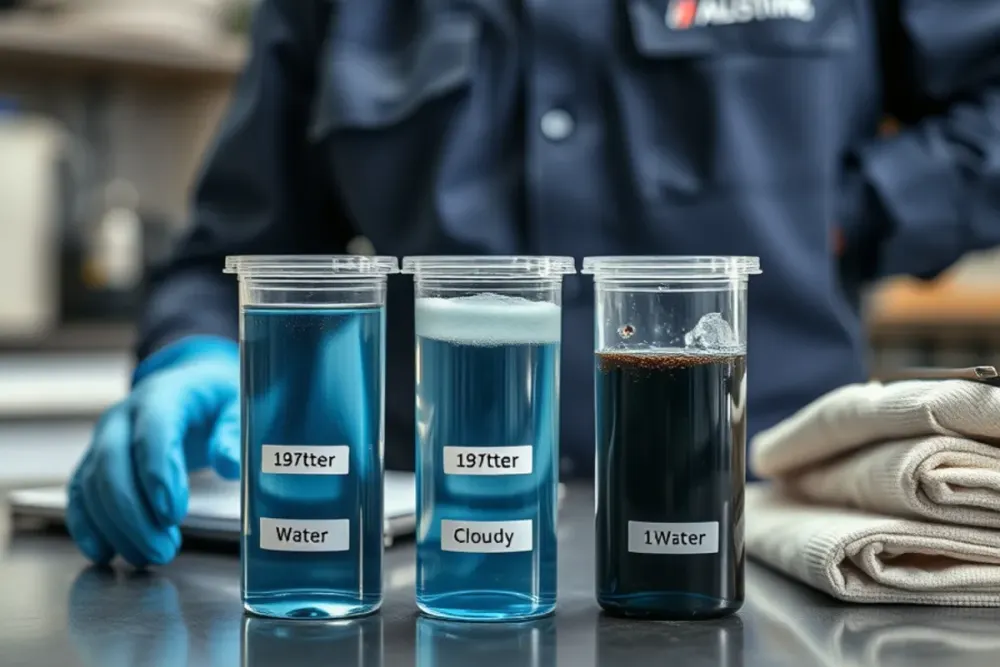
This is the biggest single multiplier. Category 1 clean water is extract, dry, and mostly salvage. Category 2 gray water adds disinfection and some material removal. Category 3 — sewage, or anything that came in from outside — adds containment, protective equipment for every technician on every entry, HEPA filtration, mandatory removal of porous materials, and regulated disposal.
The same square footage can differ by a factor of two or more purely on category.
2. How long it ran
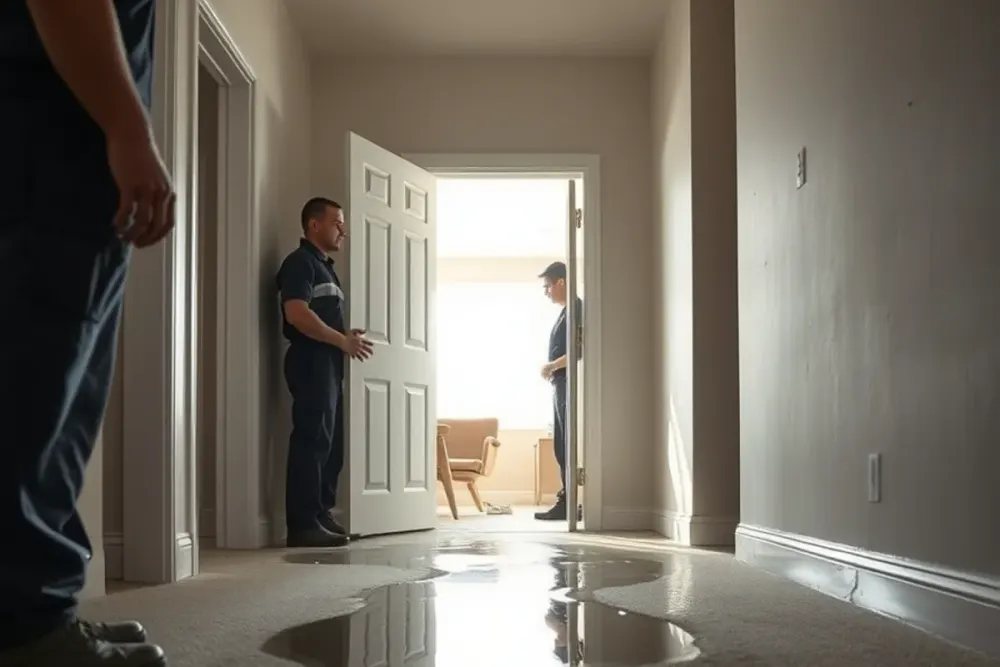
The largest controllable factor, and the one entirely in your hands. A loss addressed same-day usually stays in extraction-and-dry. The same loss found after a weekend routinely adds drywall removal, subfloor work, and mold remediation.
This is not a scare tactic to make you call faster. It is the mechanical reality of how water moves through building materials, and it is why we push the point so hard.
3. What the water is sitting in
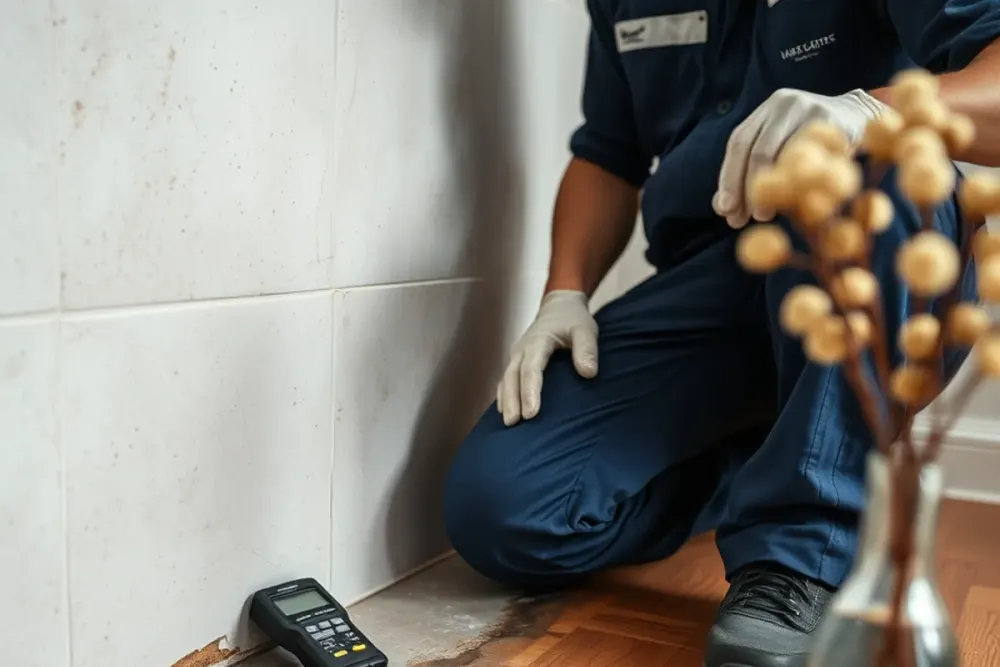
- Tile over slab: quick to extract, though the slab itself dries slowly
- Carpet and pad: pad is nearly always replaced, carpet often saved
- Engineered or laminate flooring: frequently lost, because water gets between layers
- Solid hardwood: salvageable within about 24 hours using drying panels, and expensive to replace after that
- Cabinetry: particle board carcasses swell irreversibly; solid wood usually survives
- Plaster walls, common in pre-1960 Downey homes: dry slowly and add days of equipment time
4. Affected square footage — not room count
Pricing follows the wet perimeter, which is almost always larger than the visible one. Water wicks several feet past where it looks like it stopped, and a proper moisture map regularly finds a wet area a third larger than the homeowner expected.
5. Whether cavities have to be opened
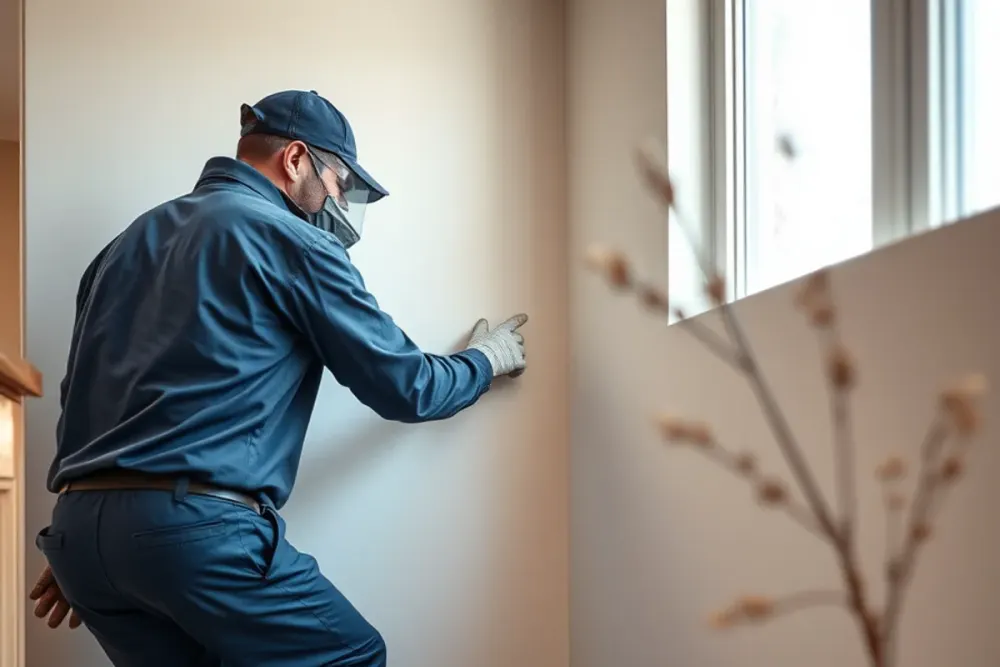
Drying inside wall and floor assemblies means controlled access points, injection systems, and later patching. It costs more than open-room drying and far less than replacing the wall.
What a Downey job typically involves
Local housing stock shapes the work in predictable ways. In the 1940s–50s bungalows across North Downey and the Woodruff/Florence corridor, we are usually dealing with plaster walls and a crawl space, both of which add drying days. In the 1960s–70s slab tracts across South Downey and the Apollo area, we are usually drying concrete, which releases moisture slowly and extends the schedule on its own.
Neither is a surcharge. They are real additional equipment days, and a company that quotes those jobs on a three-day assumption is either inexperienced here or planning to declare it dry early.
Be skeptical of these
- A firm price over the phone before anyone has seen the loss or metered anything
- A flat per-room rate, which ignores category, materials, and how far water actually traveled
- An estimate with no moisture readings attached to it
- Anyone who guarantees your claim will be approved — a contractor cannot control your carrier's decision
- A quote that covers drying but is silent on rebuild, which is the larger number
- Pressure to sign a work authorization before you have read the scope
How insurance changes the arithmetic
For most covered losses you are paying your deductible, not the invoice. Sudden accidental events — a burst pipe, a failed water heater, an appliance overflow — are generally covered. Gradual damage from a leak that was known about, and natural flooding without separate flood coverage, generally are not.
That changes what matters. The invoice total becomes less important than whether the loss is documented well enough to be paid without argument, and whether the scope is complete enough that you are not discovering uncovered work halfway through.
What we do
Free on-site estimate, itemized, before any work is authorized. We map the moisture first so the scope reflects the real affected area, and we give you the number in writing. If the honest answer is that you have a small problem you can handle yourself, we will tell you that and there is no charge for the visit.
Frequently asked
No, and we would be suspicious of anyone who does. An accurate figure needs a moisture map — the wet area is nearly always larger than the visible one, and the water category and materials involved change the scope substantially. What we will do on the phone is talk you through what moves the number and book a free on-site estimate, usually the same day.
Rebuild, by a wide margin. Published national ranges put mitigation around $3.00-$7.50 per square foot and repair or rebuild around $20-$37 per square foot. That gap is the whole argument for fast response — keeping a loss in the mitigation-only category is where the money is actually saved.
For a covered loss you generally pay your deductible rather than the invoice. Sudden accidental events are usually covered; gradual damage from a known leak and natural flooding without separate flood coverage generally are not. Coverage limits, mold sublimits, and the specific cause all matter, which is why thorough documentation from the first hour is what prevents most disputes.
What actually decides your number
Of everything on this page, two variables move the figure most: the water category and how long it ran. Both of those are decided in the first day.
Notice the gap between mitigation and rebuild pricing. Rebuild costs several times more per square foot, which is why keeping a loss in the mitigation-only category is where the money is genuinely saved — and why a call at 11 p.m. usually costs less than the same call at 8 a.m.
Be skeptical of a firm price over the phone, a flat per-room rate, or an estimate with no moisture readings attached. Our on-site estimate is free and itemized in writing before any work is authorized. For the whole claim process end to end, see our California water damage insurance claims guide.
Services mentioned in this article
Residential Water Damage Restoration
One team from the first extraction to the last coat of paint — no handing you off to three other contractors.
Learn moreWater Extraction & Removal
Truck-mounted extractors pull standing water out in a single pass — the fastest way to stop damage from spreading downward.
Learn moreStructural Drying & Dehumidification
Metered, monitored drying that takes the structure back to its dry standard — not just the surface you can touch.
Learn moreAreas covered in this article
The LA County Flood Control District operates the Whittier Narrows Dam and the San Gabriel River / Rio Hondo channe…
based in Downey, serving the southeast countyDowntown DowneyHistoric core along Firestone Blvd and Old River School Rd — 1920s–40s commercial buildings and pre-1960 homes with…
about 6 minutes from our Florence Ave base