Emergency Guides
Toilet Overflowing? How to Stop It — and When It's a Sewage Emergency
The first thirty seconds stop the water. The next question — what kind of water is it — decides everything about the cleanup.
The short answer
Turn the angle stop behind the toilet clockwise to shut off the water, or lift the tank lid and push the flapper down. Then determine what overflowed: clean tank water is Category 1, urine-only is Category 2, and anything with feces or backing up from the sewer line is Category 3 and needs professional containment.
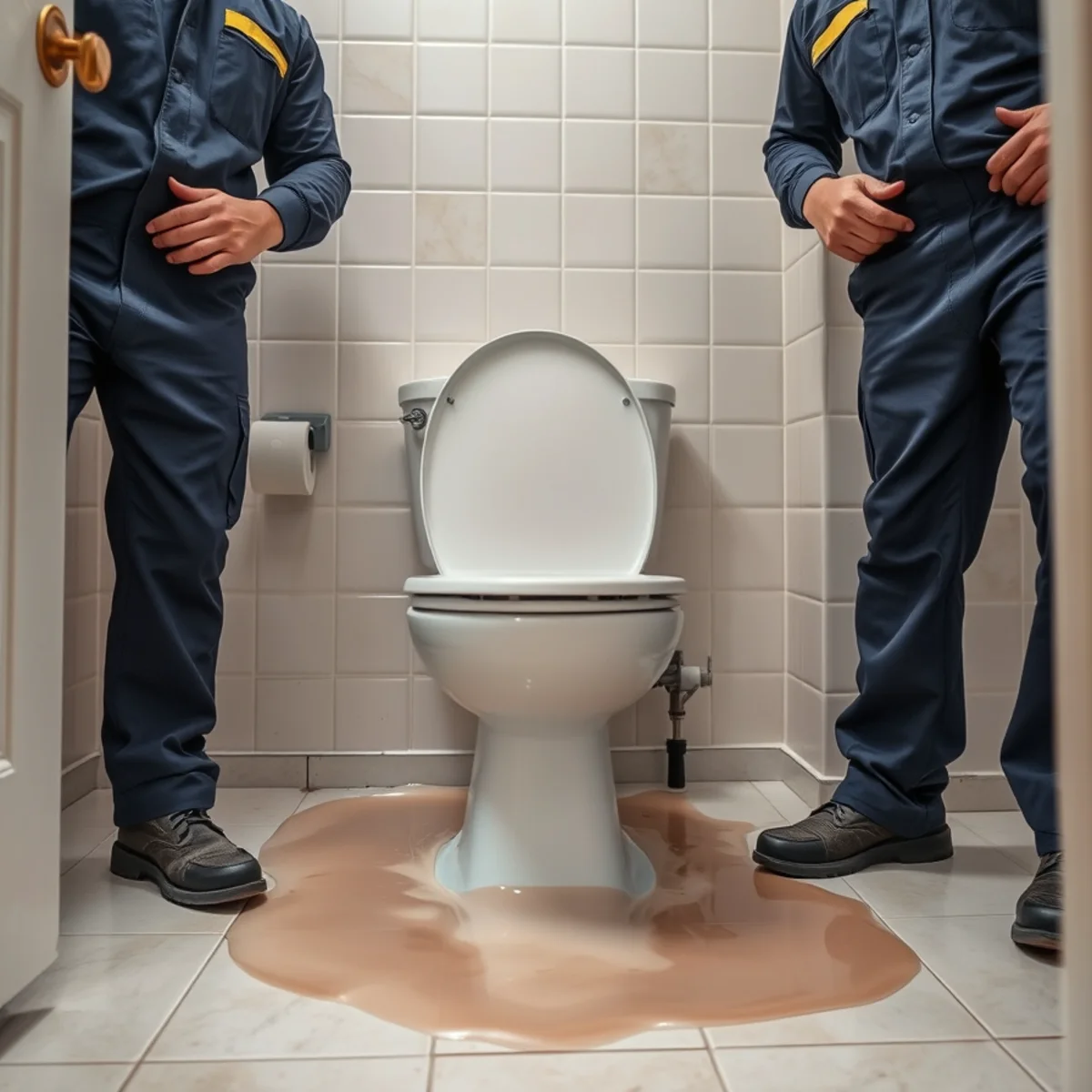
There are two separate problems here, and people usually solve the first one and skip the second.
The first is stopping the water, which takes about thirty seconds once you know where to reach. The second is working out what kind of water is on your floor — because the answer determines whether this is a mop-and-disinfect situation or a job that needs containment and protective equipment.
Stop it: thirty seconds, two moves
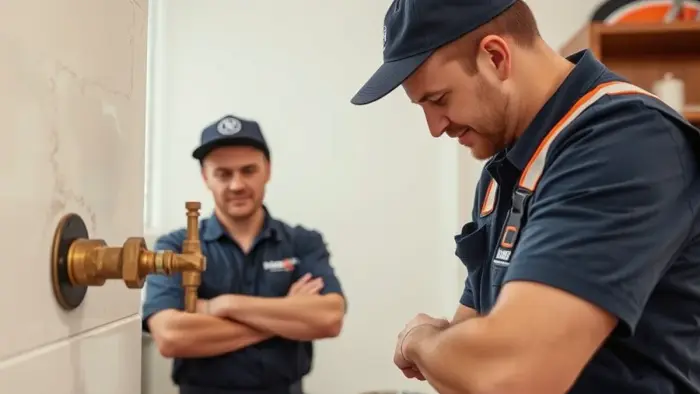
- Reach behind the toilet at floor level and turn the angle stop — the small oval or football-shaped valve on the supply line — clockwise until it stops. That cuts water to the toilet.
- If the valve is seized or missing, lift the tank lid, reach in, and push the flapper down at the bottom of the tank. That seals the tank outlet and stops the flow into the bowl immediately.
Then leave it. Do not flush again to see if it clears. Every additional flush adds several more gallons to whatever is already on your floor.
Now: which category of water is it?
This is the question that decides the cleanup, and the distinction is precise rather than squeamish. The IICRC S500 standard classifies water by contamination level, and the three categories require genuinely different handling.
| What overflowed | Category | What that means |
|---|---|---|
| Clean tank water, no waste involved | Category 1 | Handled as a normal water loss — extract, dry, most materials salvageable |
| Bowl water containing urine only | Category 2 | Extract, remove affected porous material, disinfect, protective equipment used |
| Anything containing feces, or backing up from the sewer line | Category 3 | Containment, full protective equipment, porous material removed, regulated disposal |
Tell us which one you have when you call. It changes what we bring.
The distinction that actually matters
A toilet that overflows because someone flushed too much paper is a plumbing nuisance. A toilet that overflows because sewage is backing up from the main line is a different event entirely — and the tell is what else in the house is misbehaving.
In a genuine sewer backup, every gallon you send down any drain in the house comes back up at the lowest fixture. That includes running a tap, a washing machine cycle, or a dishwasher.
If it is Category 3, do not clean it up yourself
Sewage carries E. coli, salmonella, hepatitis A, rotavirus, and parasites. It does not need to be touched to make someone ill — walking through it tracks it through the house, and disturbing it puts pathogens into the air the household is breathing.
- Get everyone, including pets, out of the affected area and keep them out
- Do not run box fans — they aerosolize contamination into your air, and this is the single most harmful mistake we see
- Do not use a household or shop vacuum on it
- Do not mop, which spreads it across a wider area
- Shut off HVAC serving that area so contamination does not distribute through the ducts
- If it reached carpet, do not walk on it — carpet pad holds far more than it looks like it does
Why Downey sees so many of these
Two local factors drive most of the sewer backups we attend, and both come down to the age of the city.
The first is tree roots. Established neighborhoods — Independence Park, Furman Park, the streets around Columbia Way — were planted with shade trees in the 1950s and 60s that are now fully mature. Their roots find the joints in clay-tile sewer laterals, enter through gaps that seasonal soil movement has opened, and form a mat that catches everything passing through.
The second is pipe age. Homes built before about 1960 across Downtown Downey, North Downey, and Studebaker/Firestone have original clay-tile laterals and cast-iron drains. Both crack, and both are past their service life.
The warning you probably already had
Root blockages announce themselves for months. A shower draining slower than it used to. A toilet gurgling when the washing machine empties. A backup that clears itself — which is the most dangerous signal, because it convinces people the problem resolved.
It did not resolve. It means the blockage is nearly complete and something shifted enough to let flow resume. A camera scope down the lateral at that point costs a fraction of a sewage cleanup and settles the question.
Frequently asked
No, and the distinction is worth being precise about. Clean water from the tank with no waste involved is Category 1 and is handled as a normal water loss — extract, dry, and most materials are salvageable. Bowl water with urine is Category 2. Anything containing feces, or backing up from the sewer line, is Category 3 and needs containment and protective equipment.
Household bleach does not reliably kill everything in sewage, and applying disinfectant over organic soil does not work — the surface has to be physically cleaned first. Beyond that, sewage wicks under flooring and into wall bases where you cannot reach it, and that hidden contamination is what causes lingering odor and mold. A few square feet on hard floor caught instantly may be manageable with gloves. Anything on carpet or across rooms is not.
Watch whether fixtures affect each other. A single toilet that will not flush, with everything else normal, is a local clog. If other drains gurgle when you flush, if the shower or tub backs up at the same time, or if multiple fixtures are slow, the problem is the shared line — and every gallon you send down any drain will come back up at the lowest fixture.
Stopping it is easy — classifying it is what matters
Thirty seconds at the angle stop ends the immediate problem. The decision that follows is the one with consequences.
The tell for a sewer backup rather than a simple clog is whether your fixtures are affecting each other. A toilet that gurgles when the washing machine drains, or a shower backing up at the same time, means the shared line — and every gallon you send down any drain will come back up at the lowest fixture in the house.
In Downey's established neighborhoods that usually means roots in a clay-tile lateral, and the warning runs for months. If your drains have started talking to each other, a camera scope now costs a fraction of a Category 3 cleanup later.
Services mentioned in this article
Sewage Cleanup & Backup Removal
Category 3 backups handled under containment — full protective equipment, regulated disposal, and verified disinfection.
Learn more24/7 Emergency Water Removal
A person answers, 24/7. Crews dispatched within 60 minutes — nights, weekends, and holidays included.
Learn moreMold Remediation
Contained removal that fixes the moisture source first — because mold that is only cleaned off comes straight back.
Learn moreAreas covered in this article
Adjacent to the historic San Gabriel River channel — the lowest-elevation homes in Downey, with the city's highest…
6 to 9 minutes from our Florence Ave baseIndependence ParkFamily tracts around Independence Park on Bellflower Blvd — 1950s–60s homes whose mature shade trees now send roots…
about 10 minutes from our Florence Ave base