Prevention & Maintenance
Winter Storm Prep Checklist for Downey and the San Gabriel Valley
Most of what we attend in January was preventable in October. Here is the list, in order of how much damage each item actually prevents.
The short answer
Nine items, ordered by how much damage each prevents. The roof inspection matters most — especially after a Santa Ana wind event, because wind damage does not leak until the first real rain. Then clear every drain, flush downspouts, and check your coverage before you need it.

Southern California's rainy season is short, concentrated, and arrives after months of dry weather that quietly degrade everything meant to handle it. Drains silt up. Roof components dry out and crack. Nobody notices, because nothing has been tested since March.
This list is ordered by how much damage each item actually prevents, based on what we get called to.
1. Get the roof inspected — especially after wind

This is the single highest-value item and it is not close.
Santa Ana wind events lift and displace tiles, peel back shingle edges, and tear flashing loose. None of that leaks a drop until real rain arrives with the right wind direction — so the damage is invisible from the ground and the homeowner has no idea anything is wrong.
Then the first atmospheric river arrives and water pours into the attic through an opening the wind made in October. A large share of the roof leaks we attended during the 2022–23 storm sequence were exactly this.
2. Clear every drain, and check that it flows

Yard drains, area drains, driveway drains. They silt up gradually across a dry summer and nobody checks, so the first real storm finds them doing nothing.
Clearing the grate is not enough. Run a hose into each one and confirm water actually goes somewhere. A drain that takes water slowly is a drain that will back up under load.
3. Gutters and downspouts
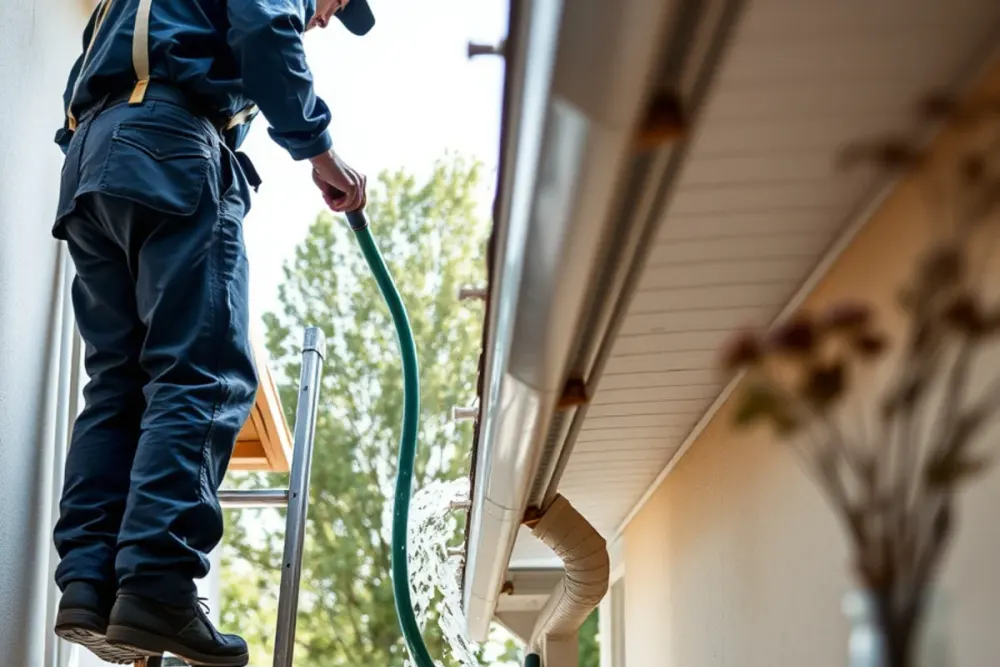
- Clear gutters of leaves and debris
- Flush downspouts and confirm water comes out the bottom
- Check that discharge is directed well away from the foundation, not pooling against it
- Add an extension where a downspout discharges within a few feet of the house
- Re-secure any gutter section that has pulled away from the fascia
Downspout discharge against a foundation matters more here than most people realize. In expansive clay soil, concentrated water on one side of a house creates differential swelling — which cracks slabs and stresses buried pipe.
4. Flat and low-slope roofs
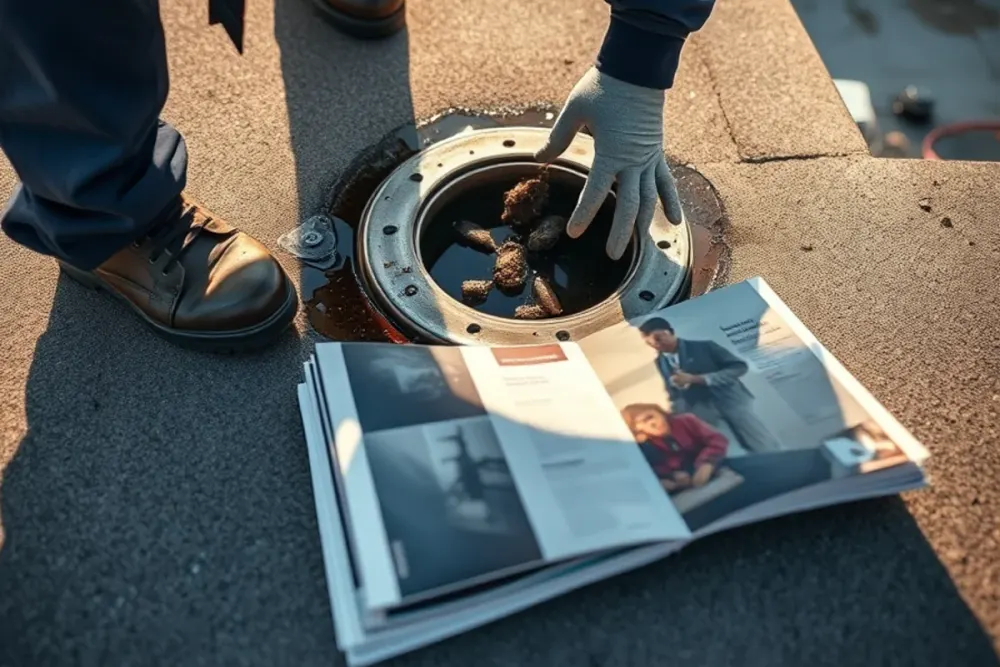
If you have a flat roof section, or you manage commercial property along the Imperial Highway corridor or around Stonewood Center, clear the roof drains and scuppers.
Ponding water weighs about five pounds per square foot per inch and works into every seam it sits on. If water is still standing 48 hours after a storm, the drainage is not working and it needs attention before the next front rather than in spring.
5. Scope the sewer lateral if drains have been slow

Rising groundwater during a wet winter infiltrates cracked clay-tile laterals and adds volume the line was never carrying. A marginal line that survived a dry year will not survive a wet one.
If your drains have been slow, if a toilet gurgles when the washing machine empties, or if you have had a backup that cleared itself, get a camera down the lateral before November. It costs a small fraction of a sewage cleanup and it happens on a Tuesday morning rather than at midnight.
6. Garage and low-threshold preparation
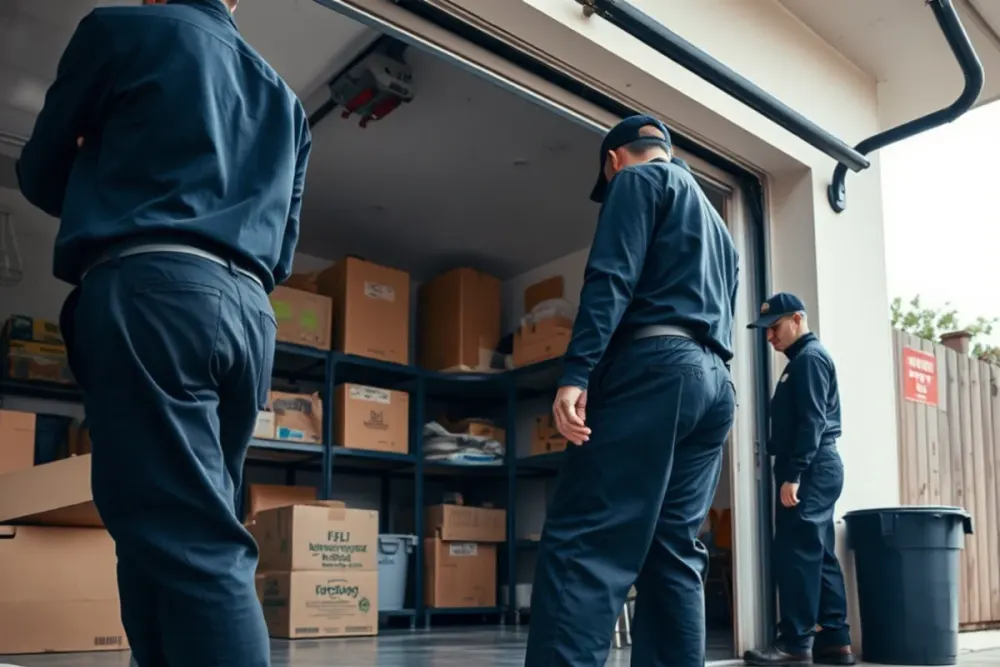
- If your garage has taken water before, it will again — keep sandbags or a threshold barrier on hand
- Get everything off the garage floor and onto shelving; cardboard on a wet slab wicks water and grows mold within days
- Check the garage door bottom seal and replace it if it is perished
- Move paint, solvents, pesticides and automotive chemicals up off the floor
7. Test the sump pump, if you have one
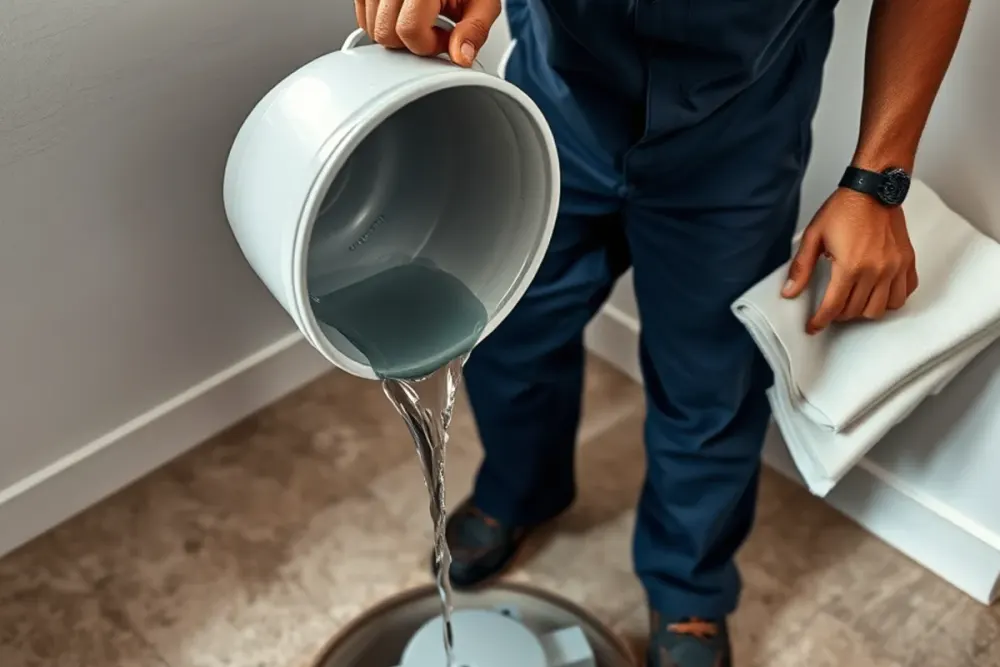
Pour a bucket of water into the pit and confirm the pump kicks on and discharges. Most sump failures are discovered during the storm, which is the worst possible time.
If you manage a building with below-grade parking or a service level, put a battery or generator backup on that pump. Storm-related power loss stops the pump exactly when it is most needed, and that is the failure mode we see every significant rain event.
8. Know your shut-off, and check it turns

Storms cause plumbing failures too — trees come down on service lines, and pressure changes stress old pipe. Find your main shut-off, close it, confirm the taps run dry, then reopen it.
Old gate valves seize from decades of never being moved. Discovering that at 2 a.m. with water running is considerably worse than discovering it on a Saturday when a plumber can replace it.
9. Check your coverage before you need it

| Coverage | Status on most CA policies |
|---|---|
| Sudden pipe burst and appliance failure | Usually covered as standard |
| Storm water through a wind-created opening | Usually covered as standard |
| Flooding — water rising off the ground | Excluded; needs a separate flood policy, 30-day waiting period |
| Sewer and drain backup | Commonly excluded; needs an endorsement, usually inexpensive |
| Sump pump failure | Commonly excluded; often part of the same endorsement |
The two bottom rows are the ones people discover they do not have after the event. Both are cheap to add, and neither can be added retroactively.
During the storm itself
Go outside during the first real downpour and watch where water actually runs on your property. Which drain is not taking anything? Where does it pool? Which way does it flow across the driveway?
Five minutes of observation under live conditions tells you more than any dry-weather inspection, and it shows you exactly what to fix before the next band arrives.
Frequently asked
October, before the first significant rain. The roof inspection is the one item worth doing immediately after any Santa Ana wind event regardless of the calendar, because wind damage does not leak until real rain arrives — and by then the water is already in your ceiling.
The roof inspection, particularly after a wind event. It is the highest-value because wind damage is invisible from the ground, produces no symptoms until the first heavy rain, and by then water is entering the attic and spreading across insulation and ceiling drywall. Everything else on the list prevents less damage for similar effort.
Yes — a clear grate tells you nothing about the pipe below it. Run a hose into each drain and confirm water actually goes somewhere at a reasonable rate. Drains silt up gradually below the surface across a dry summer, and a drain that takes water slowly will back up entirely under storm load.
Do this in October, not December
Southern California's rainy season is short and concentrated, and it arrives after months of dry weather that quietly degrade everything meant to handle it. Drains silt up, vent boots crack, and nobody notices because nothing has been tested since March.
The single highest-value item is the roof, because wind damage is invisible from the ground and produces no symptoms until water is already in your ceiling. A large share of the leaks we attended during the 2022–23 sequence were caused by wind months earlier.
Then go outside during the first real downpour and watch. Five minutes of live observation shows you which drain is doing nothing and where water actually pools — more useful than any dry-weather inspection.
Services mentioned in this article
Storm Damage Cleanup
Emergency tarping to stop the water first, then extraction, drying, and full documentation for the claim.
Learn moreFlood Cleanup
Storm and overflow flooding handled end to end — pump-out, contaminated material removal, disinfection, and documented drying.
Learn moreRoof Leak Water Damage Restoration
Tarping to stop the water, attic and insulation dried out, and the interior restored — with the storm date documented.
Learn moreAreas covered in this article
1960s–70s tract expansion south of Imperial Highway — newer slab construction, but in the direct San Gabriel River…
about 10 minutes from our Florence Ave baseRio San GabrielAdjacent to the historic San Gabriel River channel — the lowest-elevation homes in Downey, with the city's highest…
6 to 9 minutes from our Florence Ave base