Prevention & Maintenance
The 10-Minute Monthly Leak Inspection
Ten minutes, once a month, in the specific places water hides. Most of what we get called to was visible for weeks before anyone looked.
The short answer
Ten minutes, once a month: run the water meter test, check under every sink, look behind the washing machine, inspect the water heater base and straps, feel around toilet bases, and scan ceilings and the bottom six inches of walls. The meter test alone catches what you cannot see.
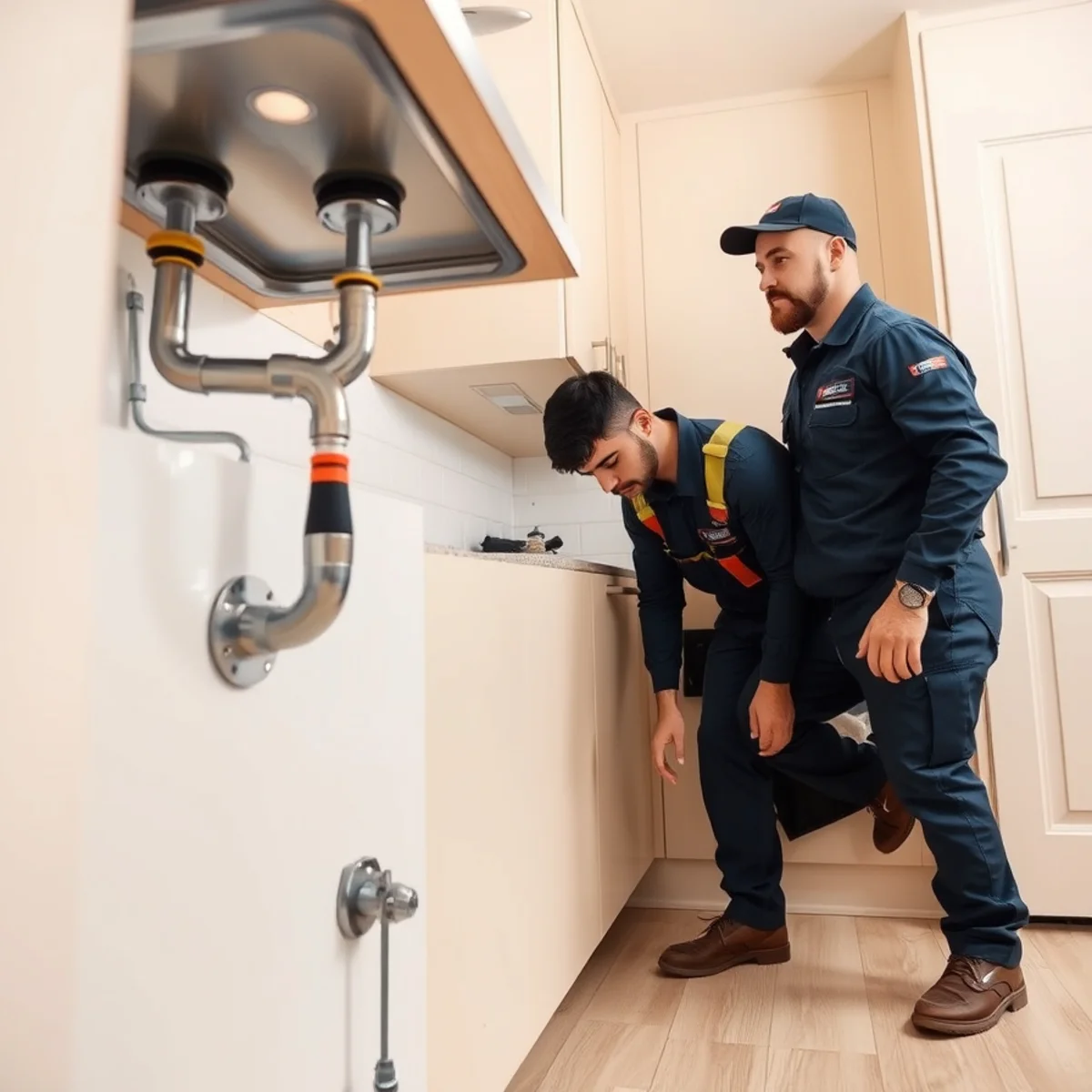
Nearly every expensive water loss we attend was preceded by weeks of visible warning in a place nobody looked. Under a sink. Behind the washing machine. At the base of the water heater.
This walkthrough takes about ten minutes. Do it monthly and you will catch most of it while it is still a small repair.
Start with the meter — two minutes
Before you look at anything, run the meter test. Turn off every water-using fixture and appliance in the house, including the ice maker and the irrigation controller. Then find your meter and watch the small triangle, dial, or star for a few minutes.
If it moves, water is escaping somewhere in the pressurized system. That single test catches slab leaks, service line leaks, and hidden supply failures that produce no visible symptoms at all.
Under every sink — three minutes
- Run your hand along the supply lines and the angle stops, feeling for damp
- Look at the base of the cabinet for staining, swelling, or a dark ring
- Check the P-trap and the drain connection for drips or corrosion
- Look at the back of the cabinet where pipes enter the wall
- Under the kitchen sink, check the dishwasher drain connection specifically
- Note the age of braided supply lines — replace anything over about seven years
Behind the washing machine — one minute
Pull the machine out far enough to see the hoses, or use a phone camera and torch behind it.
You are looking for bulges, cracks, blisters, rust at the crimps, and any damp on the wall or floor. Rubber hoses should be replaced every five years and swapped for braided stainless; braided should be checked and replaced around ten. Write the date on them when you fit them.
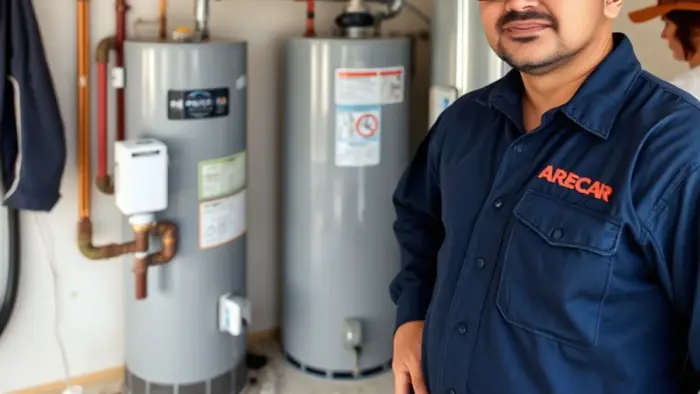
The water heater — one minute
- Look for any moisture at the base of the tank — this usually means the inner tank has corroded through
- Check for rust along the bottom seam
- Look at the wall behind and beside it for staining or white efflorescence
- Check the temperature and pressure relief valve discharge pipe for signs of water
- Confirm the seismic straps are present, two of them, and anchored into framing rather than drywall
- Note the manufacture date — past ten years, start planning replacement
Toilets — one minute
Feel around the base for damp, and look for any discoloration or lifting of the flooring around it. A toilet that rocks slightly when you sit on it has a compromised seal at the flange, which leaks slowly into the subfloor.
Check the supply line and angle stop behind it, and lift the tank lid to look for a running fill valve — a toilet that refills periodically without being used is leaking internally, which is money rather than damage but worth fixing.
Ceilings and wall bases — two minutes
Walk each room and look at two things: the ceiling, and the bottom six inches of the walls.
- Ceiling stains, rings, or discoloration, particularly around fixtures and vents
- Bubbling or peeling paint on a ceiling
- Baseboards that have swollen, stained, or pulled away from the wall
- Flooring that has cupped, lifted, or discolored at the edge of a room
- Any patch of drywall that feels soft when pressed
- Dark spotting low on a wall or inside a closet
Downey-specific additions
Two extra checks worth making here depending on your housing type.
If you are on a slab — the 1960s–70s tracts across South Downey, Apollo, and the Warren High area — walk the floor barefoot occasionally, feeling for a warm spot. That is the most reliable early indicator of a hot-water slab leak, and it appears long before anything else.
If you are on a raised foundation — North Downey, Downtown Downey, the Woodruff/Florence corridor — open the crawl space hatch and shine a light across the soil a couple of times a year. You are looking for standing water, sagging or fallen insulation, and a vapor barrier that has floated or torn. That is where a leak's water actually goes in these houses, and nobody looks.
Outdoors — one minute
- A patch of lawn that is greener, faster-growing, or soggier than the rest — often an irrigation or service line leak
- Damp or efflorescence on the foundation or stem wall
- Hose bibs dripping or damp at the wall penetration
- Any new depression or sinkhole along the route of the sewer line
Once a year, add these
- Flush the water heater and check the anode rod
- Clear yard and area drains and confirm they flow
- Have the roof inspected, particularly after any wind event
- Test the main shut-off valve by closing and reopening it
- Test the sump pump if you have one
If something on this list looks wrong and you are not sure how serious it is, call. There is no charge for us telling you it is minor, and finding out early is the entire point of the exercise.
Frequently asked
Monthly for the ten-minute version, which is enough to catch the common failures while they are small. Add the annual items — water heater flush, drain clearing, roof inspection, shut-off valve test, sump test — once a year, ideally in early autumn before the rainy season.
The meter test. Two minutes, and it catches everything hidden — slab leaks, service line leaks, and supply failures inside walls that produce no visible symptom at all. Everything else on the list finds problems you could eventually see; the meter test finds the ones you cannot.
Not an emergency, but do not leave it. A slow drip under a cabinet soaks the particle board base, which swells and loses integrity, and the void under the cabinet run has no airflow so it does not dry on its own. Tighten or replace the connection now — and if the cabinet floor is already swollen or dark, there has been water there longer than you think.
Why this beats any annual service
Nearly every expensive loss we attend was preceded by weeks of visible warning in a place nobody looked — under a sink, behind a machine, at the base of a tank.
The meter test is the highest-value two minutes because it catches the hidden failures: slab leaks, service line leaks and supply failures inside walls that produce no visible symptom at all.
Add two Downey-specific checks. On a slab home, walk the floor barefoot occasionally feeling for a warm spot. On a raised foundation, open the crawl space hatch a couple of times a year and shine a light across the soil.
Services mentioned in this article
Leak Detection & Repair Coordination
Acoustic, thermal, and pressure testing that pinpoints the leak — so the repair opens one small area, not the whole floor.
Learn moreSlab Leak Water Damage Restoration
Detection, controlled slab access, and drying of the flooring and wall bases the leak has been quietly soaking.
Learn moreWater Heater Leak Cleanup
Garage floods dried properly — including the shared wall that quietly wicks water into the living space next door.
Learn moreAreas covered in this article
Named for the aerospace legacy the Columbia Memorial Space Center commemorates — 1950s–60s family tracts with origi…
about 9 minutes from our Florence Ave baseBrookshire / GallatinA 1950s–60s residential pocket that sits within about five minutes of our 8615 Florence Ave base — our fastest resp…
about 5 minutes from our Florence Ave base