Problem Solving
How Long Does Structural Drying Take? A Room-by-Room Timeline
Three to five days is the honest average. What moves you outside it is materials, not the size of the spill.
The short answer
Three to five days is the honest typical range, and most jobs land there. What pushes a job longer is the materials rather than the amount of water — hardwood, plaster and concrete all release moisture slowly. Kitchens run five to seven days; hardwood can run eight to fourteen.
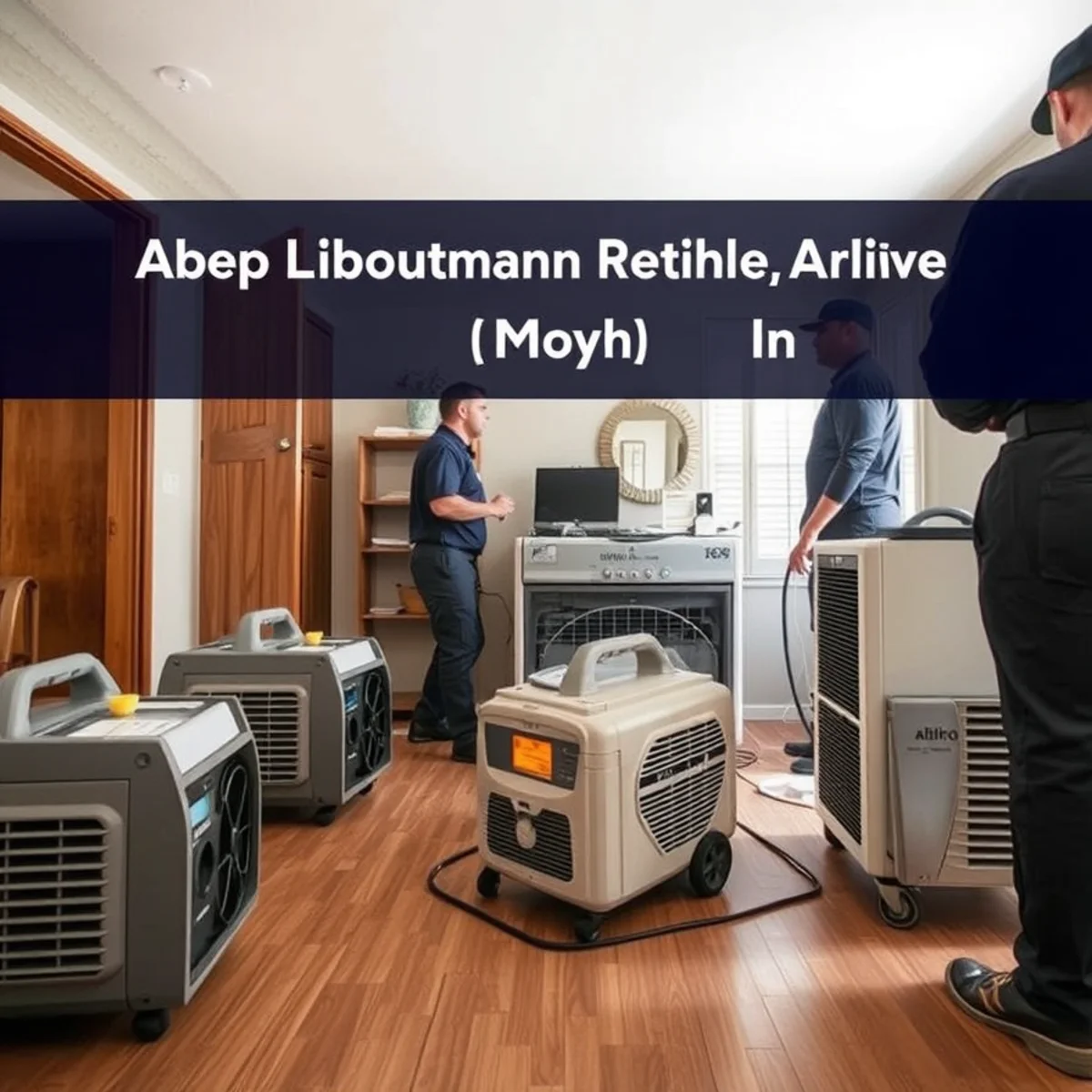
Three to five days is the honest typical range for a structural dry-out, and most jobs land there. What pushes a job outside that window is almost always the materials involved rather than how much water there was.
Room by room
| Space | Typical range | What drives it |
|---|---|---|
| Bedroom or living room, carpet over slab | 3-4 days | Pad replaced, carpet floated, slab dried |
| Bathroom, tile over slab | 3-5 days | Slab moisture, water under the vanity, wall bases |
| Kitchen | 5-7 days | Cabinet toe-kick voids and the dishwasher recess have no airflow |
| Room with solid hardwood | 8-14 days | Wood releases moisture slowly; drying panels run after room equipment stops |
| Garage on slab | 3-5 days | Concrete dries slowly; the shared wall to the house is the real variable |
| Crawl space | 5-10 days | Confined space, saturated soil, wet insulation removal first |
| Attic and ceiling assembly | 5-8 days | Insulation removed first; framing above the ceiling dries slowly |
What makes it slower
- Class 4 materials — hardwood, plaster, and concrete all release moisture slowly by nature
- Water that sat more than 48 hours before extraction, which means deeper penetration everywhere
- Multi-layer flooring assemblies where water is trapped between layers
- Saturated insulation inside cavities, which has to come out before the cavity can dry
- Category 2 or 3 water, where material removal has to happen before drying can finish
- Winter atmospheric river conditions, when higher outdoor dew points reduce dehumidifier efficiency
How Downey housing affects the schedule
Local building stock shapes this in fairly predictable ways.
The 1940s–50s post-war bungalows across North Downey and the Woodruff/Florence corridor have lath-and-plaster walls and wood subfloors over raised foundations. Plaster is slow, which adds days — but the crawl space underneath means we can get airflow to the underside of the floor, which helps considerably.
The 1960s–70s slab tracts across South Downey and the Apollo neighborhood are the opposite. No crawl space, and concrete that holds moisture and gives it up slowly. A saturated slab under vinyl or engineered flooring can add two days on its own.
The regional climate genuinely helps. Southern California's low outdoor humidity means dehumidifiers work against a favorable gradient most of the year. During a winter atmospheric river the same job takes longer and needs more capacity, and we size for the conditions on the day.
How the endpoint gets decided
Not by the calendar. We meter unaffected material of the same type elsewhere in your house — a dry stud, a dry section of subfloor — to establish the dry standard, then take readings at the same marked points every day until the wet materials match it.
Equipment comes out when the numbers say so. You get the full log: daily material moisture content, relative humidity, temperature, and grains per pound. So does your adjuster.
Two things that add days, both avoidable
Turning the equipment off overnight. Air movers are loud and dehumidifiers are warm, and the temptation is understandable. But materials re-absorb moisture from the air within hours, so a shutdown can cost a full day of progress. If the noise is genuinely unliveable, tell us — we can reposition units, swap in quieter dehumidifiers, or isolate a room with containment so you can sleep.
Opening the windows. It feels right — the house is wet, let it air out. In practice a dehumidifier works by processing a fixed volume of air, and with the windows open it is trying to dehumidify the whole San Gabriel Valley. Keeping the affected area closed drops the humidity in that space quickly, which steepens the gradient between the wet material and the surrounding air. That gradient is what actually pulls moisture out of your framing.
When drying stops and rebuild starts
They are separate phases with separate timelines. Drying is three to five days typically. Rebuild — drywall, texture, paint, flooring, trim — depends entirely on scope and can run from a couple of days to several weeks on a large loss.
If you are being given one combined number for both, ask for them separately. They behave differently and the rebuild is the one that varies.
Frequently asked
Because the surface always dries first. The subfloor beneath it, the bottom plate of the wall, and the back face of the drywall can still be well above the dry standard while the surface feels perfectly normal to your hand. That trapped moisture is exactly what causes mold two or three weeks later. We go by the meter rather than by feel.
Please do not. Materials re-absorb moisture from the air within hours, so an overnight shutdown can cost a full day of progress and push a job past a week. If the noise is unbearable, call us — we can reposition units, swap in lower-decibel dehumidifiers, or isolate a room with containment so you can sleep.
Usually the opposite. A dehumidifier processes a fixed volume of air, and with windows open it is effectively trying to dehumidify the outdoors. Keeping the affected area closed lets the equipment drop humidity in that space fast, which steepens the gradient between wet material and surrounding air — and that gradient is what drives moisture out of your framing.
Why the calendar is the wrong measure
Equipment should come out when metered readings reach the dry standard, not when a schedule says day three. That standard is set from unaffected material in your own home, so it reflects your house rather than an average.
Downey's housing stock genuinely affects the number. The pre-1960 raised-foundation homes have plaster walls that dry slowly but crawl spaces that help; the 1960s–70s slab tracts have concrete that can add two days on its own.
Two things you control: leave the equipment running, and keep the affected area closed. Opening windows means the dehumidifier is trying to dry the whole San Gabriel Valley, and shutting equipment off overnight can cost a full day of progress.
Services mentioned in this article
Structural Drying & Dehumidification
Metered, monitored drying that takes the structure back to its dry standard — not just the surface you can touch.
Learn moreWater Extraction & Removal
Truck-mounted extractors pull standing water out in a single pass — the fastest way to stop damage from spreading downward.
Learn moreMold Remediation
Contained removal that fixes the moisture source first — because mold that is only cleaned off comes straight back.
Learn moreAreas covered in this article
1970s–80s subdivisions around Warren High School on De Palma St — larger-lot homes whose original plumbing is now a…
about 11 minutes from our Florence Ave baseSouth Downey1960s–70s tract expansion south of Imperial Highway — newer slab construction, but in the direct San Gabriel River…
about 10 minutes from our Florence Ave base