Problem Solving
Category 1, 2, or 3? Why the Water Type Changes Everything
Three categories, three completely different jobs. And the one nobody expects: clean water does not stay clean.
The short answer
Category 1 is clean water from a supply line or overflow. Category 2 is gray water from appliances or urine-only overflow. Category 3 is black water — sewage, or anything that came in from outside. The category decides what gets saved, what protective equipment is used, and what it costs.
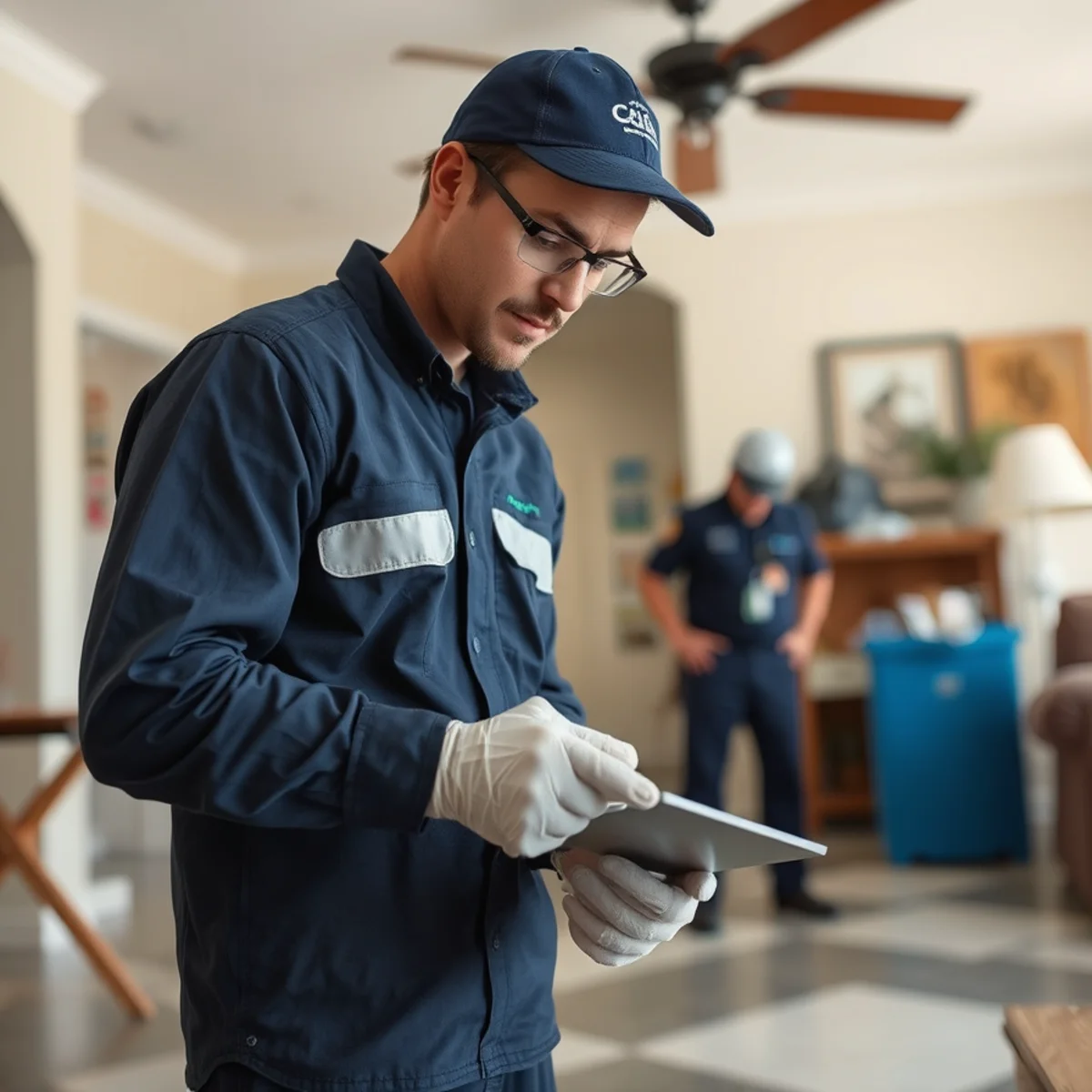
Before a restoration crew decides anything else, they classify the water. That classification drives the entire job — what gets removed, what gets saved, what protective equipment is used, and what it costs.
The framework comes from the IICRC S500 standard, which is the industry reference for water damage restoration. Here it is without the jargon.
Category 1: clean water
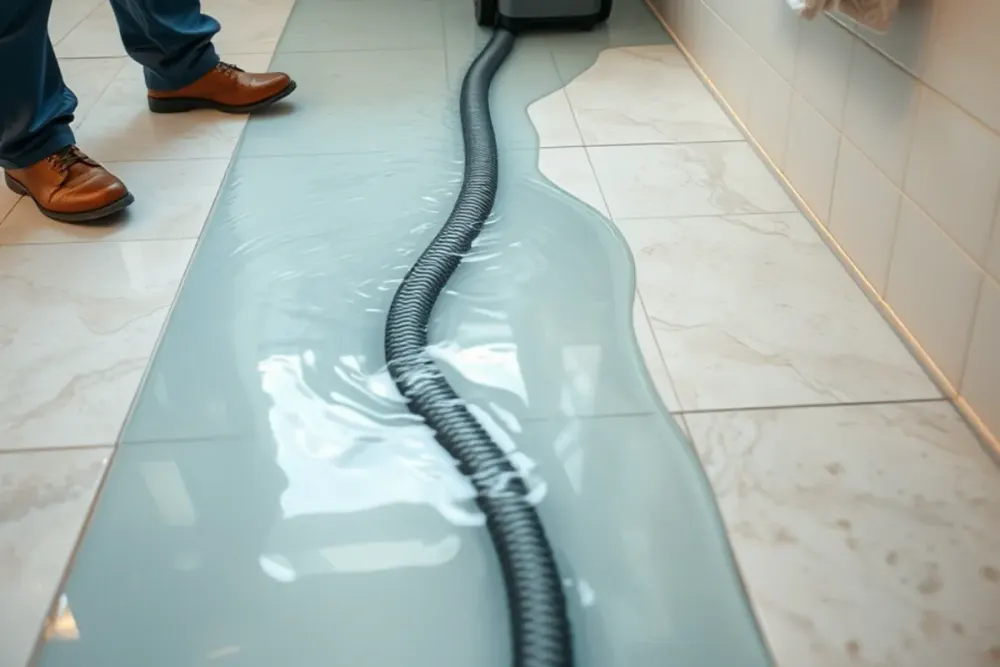
Water from a sanitary source that poses no substantial health risk on contact.
- Broken supply lines
- Tub or sink overflows with no added contaminants
- Appliance water supply lines — refrigerator, dishwasher inlet
- Toilet tank water, with no waste involved
- Melting ice or snow, and rainwater that has not touched the ground
Approach: extract, dry, dehumidify. Most materials are salvageable if dried within 24 to 48 hours. Carpet is often saved; the pad is usually replaced. Drywall frequently dries in place.
Category 2: gray water
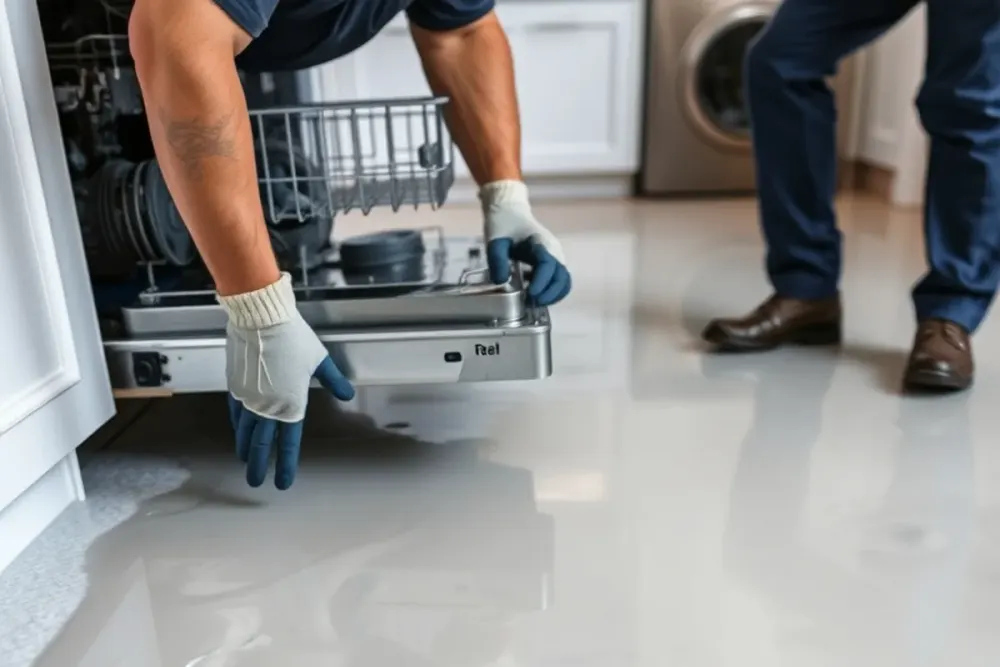
Significantly contaminated water that could cause illness if ingested or if it makes prolonged contact with skin.
- Washing machine discharge
- Dishwasher overflow
- Toilet overflow containing urine but no feces
- Sump pump failure
- Water from a waterbed or aquarium
- Category 1 water that has been sitting long enough to degrade
Approach: extract, remove affected porous materials, disinfect thoroughly, then dry. Technicians work in protective equipment. Carpet pad goes; carpet may be salvageable depending on extent and duration.
Category 3: black water
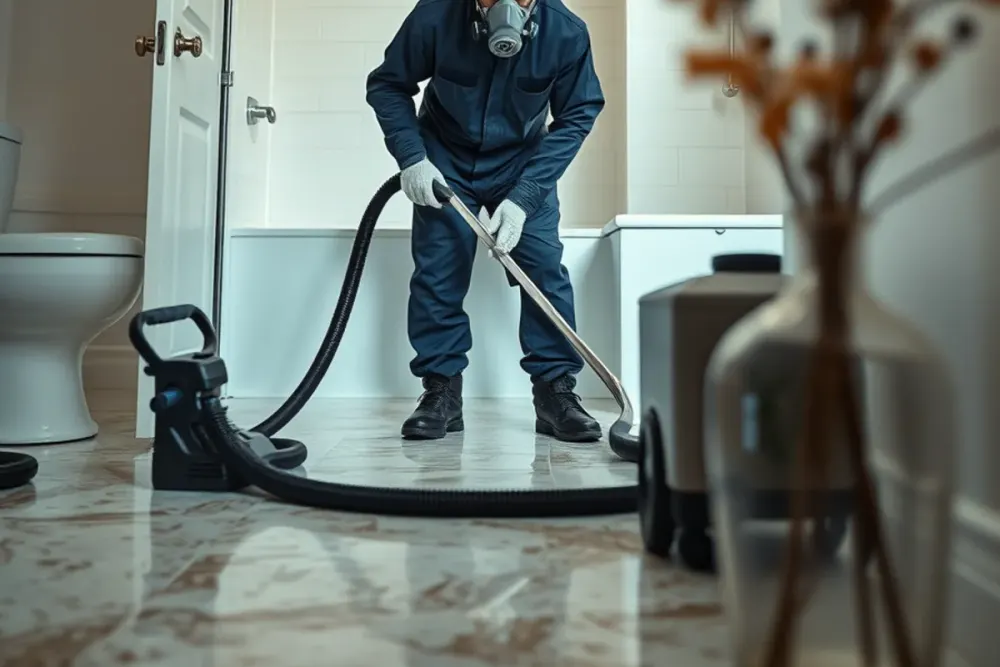
Grossly contaminated water containing pathogens, toxins, or other harmful agents.
- Sewage backups of any size
- Toilet overflow containing feces
- Floodwater from rivers, streams, or storm drains
- Any water that entered from outside, over ground
- Water that has been standing long enough for significant microbial growth
- Water contaminated by chemicals or hazardous materials
Approach: containment with negative air pressure, HEPA filtration, full protective equipment on every entry, removal and regulated disposal of all affected porous materials, physical cleaning followed by hospital-grade disinfection, then drying.
The thing most people do not know
So a burst supply line you leave until Monday is not a clean water loss any more. It is a gray water loss, with the additional material removal that implies. This degradation is a large part of why we push so hard on same-day extraction, quite separately from the structural damage.
Why storm water is Category 3
This is the classification homeowners most often dispute, and it is worth explaining rather than just asserting.
Water that entered your house from outside has crossed soil, roadway, and storm drain infrastructure. It carries soil bacteria, petroleum residue and roadway chemicals, fertiliser and pesticide runoff, animal waste, and whatever the drain system was carrying before it backed up.
None of that is visible. Clear-looking storm water is Category 3, and treating it as clean is how people end up with contaminated carpet drying in their living room.
How the category changes the cost
| Category 1 | Category 2 | Category 3 | |
|---|---|---|---|
| Containment | Not usually | Sometimes | Always |
| Protective equipment | Basic | Moderate | Full, every entry |
| HEPA air scrubbing | Not usually | Sometimes | Always |
| Porous material removal | Pad only, often | Pad and affected materials | All affected porous material |
| Disinfection | Preventive | Yes | Clean then disinfect, full dwell |
| Disposal | Normal | Normal | Regulated |
That table is why the same square footage can differ in price by a factor of two or more. Every row is a real cost, and every row exists for a reason you would want observed in your own house.
Classes: a separate scale
Category is about contamination. Class is about how much water and how hard it is to dry, and it drives the timeline rather than the safety protocol.
- Class 1 — least water, minimal absorption, small area. Fastest to dry.
- Class 2 — larger area, water absorbed into carpet and up walls.
- Class 3 — greatest volume, often from overhead, saturating ceilings, walls and floors.
- Class 4 — deep saturation of low-permeability materials like hardwood, plaster, and concrete. Needs specialty drying and the longest timeline.
Downey's housing produces a lot of Class 4. The pre-1960 stock has lath-and-plaster walls; the 1960s–70s tracts are slab-on-grade. Both hold moisture and release it slowly, which is why a properly quoted job here sometimes runs longer than a national average would suggest.
What to tell us on the phone
Where the water came from, how long it has been there, and how far it has spread. Those three answers let us classify it before we arrive and bring the right setup — which for a Category 3 loss means containment and filtration on the first trip rather than a second visit.
Frequently asked
No. Category 1 water degrades to Category 2 within roughly 48 hours as microbial activity establishes in contact with flooring, dust, and building materials — and it keeps degrading after that. A three-day-old clean water loss is handled as gray water, with the additional material removal that implies. This is one of the main reasons same-day response matters.
Because of what it crossed before it got in. Water that came over the ground has picked up soil bacteria, petroleum and roadway chemicals, fertiliser and pesticide runoff, and whatever the storm drain was carrying. None of that is visible, which is exactly why clear-looking storm water gets misjudged. Under the S500 standard it is Category 3.
The restoration technician, based on the source, how long it has been standing, and what it has contacted — following the IICRC S500 standard rather than personal preference. If you disagree with a classification, ask them to explain the source assessment. It should be a straightforward answer about where the water came from and how long it sat, not a vague one.
The nuance most people miss
Clean water does not stay clean. Category 1 degrades to Category 2 within roughly 48 hours as microbial activity establishes in contact with flooring, dust and building materials in a warm house.
That means a burst supply line left until Monday is not a clean-water loss any more, and the scope changes accordingly. It is the single strongest argument for same-day extraction, quite apart from the structural damage.
Storm water that entered from outside is Category 3 no matter how clear it looked, because it crossed soil, roadway and storm drain. Tell us the source, how long it has been there and how far it spread when you call, and we bring the right setup on the first trip.
Services mentioned in this article
Flood Cleanup
Storm and overflow flooding handled end to end — pump-out, contaminated material removal, disinfection, and documented drying.
Learn moreSewage Cleanup & Backup Removal
Category 3 backups handled under containment — full protective equipment, regulated disposal, and verified disinfection.
Learn moreWater Extraction & Removal
Truck-mounted extractors pull standing water out in a single pass — the fastest way to stop damage from spreading downward.
Learn moreAreas covered in this article
A city built in the historic San Gabriel River floodplain — 1950s–60s tracts on former dairy land, with slab-on-gra…
about 12 minutes from our Downey baseRio San GabrielAdjacent to the historic San Gabriel River channel — the lowest-elevation homes in Downey, with the city's highest…
6 to 9 minutes from our Florence Ave base