Problem Solving
Wet Drywall: When It Can Be Saved and When It Has to Come Out
Three variables decide it: what kind of water, how high it climbed, and how long it sat. Everything else is judgment around those.
The short answer
Three variables decide it: the water category, how high it wicked, and how long it sat. Clean Category 1 water caught quickly is frequently dried in place. Category 3 always comes out. And drywall saturated for hours loses structural integrity regardless of what caused it.
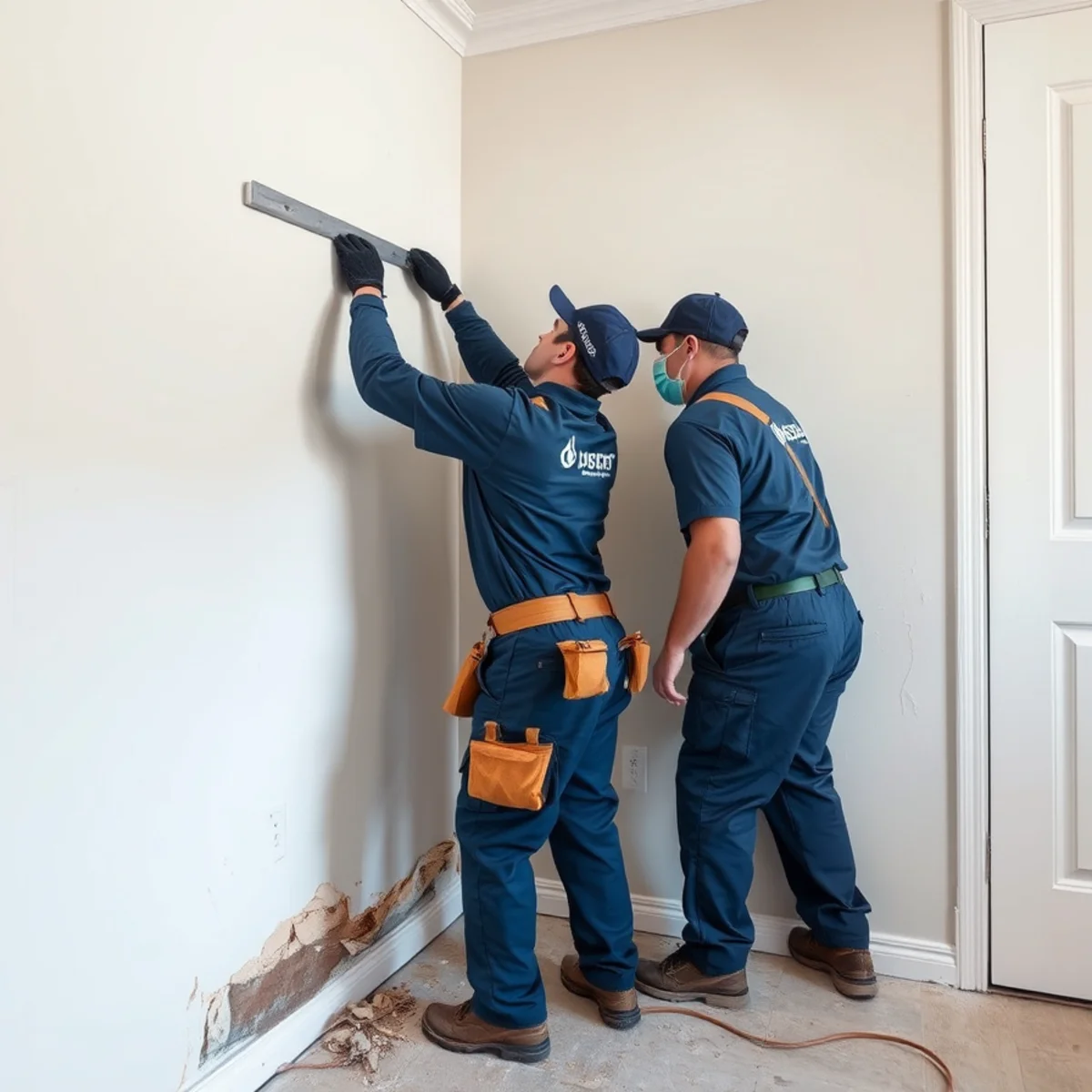
Homeowners often assume wet drywall automatically comes out. It does not. Plenty of it dries in place, and cutting drywall that could have been dried adds cost and a rebuild you did not need.
The decision comes down to three things.
1. What kind of water was it?
| Category | Source | Drywall outcome |
|---|---|---|
| Category 1 — clean | Supply line, appliance, clean overflow | Frequently dried in place if caught quickly |
| Category 2 — gray | Washing machine, dishwasher, urine-only overflow | Case by case; often removed at the affected height |
| Category 3 — black | Sewage, outside floodwater, water standing long enough to grow microbes | Always removed to a defined line above the contamination |
Category 3 is not a judgment call. Drywall is porous, contaminated porous material does not get decontaminated back into service, and that is the IICRC S500 position rather than a contractor's preference.
2. How high did it climb?
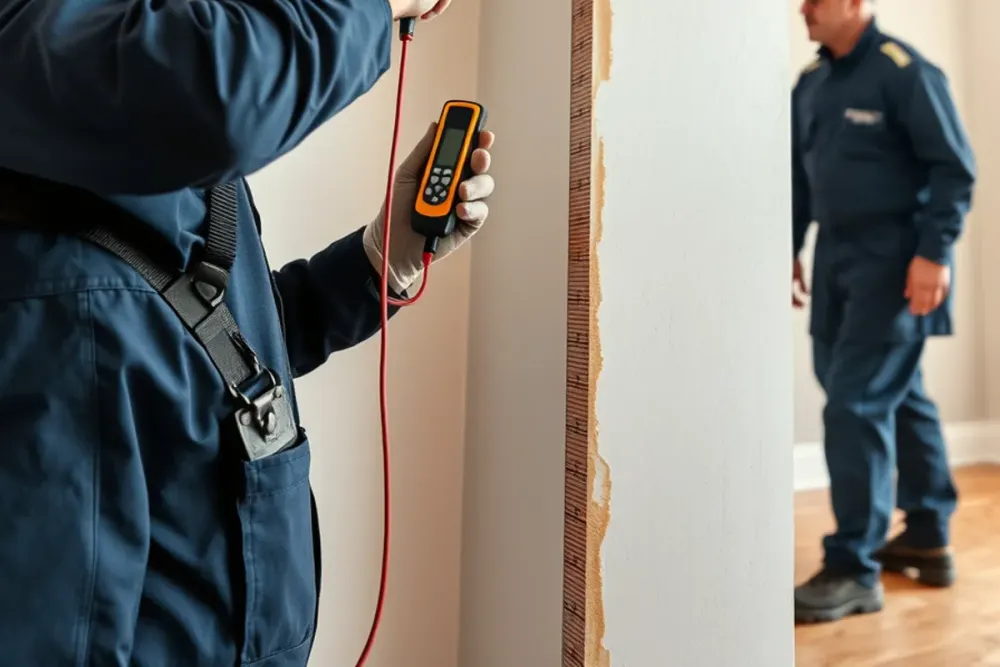
Drywall wicks water upward from the bottom edge, roughly an inch an hour in the early stages, slowing as it goes. The wet line is essentially always higher than the water line on the surface — which is why we mark it with a meter rather than by eye.
Two inches of clean water that sat for an hour usually dries in place. Eighteen inches of wicking after an overnight loss generally does not, because at that height the paper facing has typically lost integrity and the cavity behind is wet too.
3. How long did it sit?
Duration is what turns a salvageable wall into a removal. Gypsum board that has been saturated for hours loses structural integrity — it softens, sags, and the paper facing delaminates. It also passes the 24 to 48 hour window in which mold begins colonizing the paper, which is excellent food for it.
Same water, same height, different day: a clean-water loss found in an hour is a dry-in-place job, and found on Monday morning it is a flood cut.
What a flood cut actually is
When drywall does come out, it is removed in a straight horizontal line above the affected height — commonly 12 or 24 inches, chosen so the replacement piece lands on framing and the seam is easy to finish.
Cutting above the wet line is deliberate. It gives access to dry the cavity, the bottom plate, and the back of the remaining board, and it means the new seam sits in sound material rather than at the edge of damage.
The Downey plaster exception
A large share of the pre-1960 housing here — Downtown Downey, North Downey, the Woodruff/Florence corridor — has lath-and-plaster walls rather than drywall, and plaster behaves completely differently.
It is denser, holds more water, and releases it far more slowly, so a job that would take three days in a drywall house takes five or six. But plaster does not lose integrity the way saturated gypsum board does, and it is frequently worth saving where drywall would simply be cut out. Matching original plaster and trim is expensive and rarely convincing, so patience genuinely costs less than replacement.
The trade-off is that it requires actually metering it and planning longer equipment runs from the start, rather than declaring it done on a standard three-day schedule.
How we decide on site
- Establish the water category from the source
- Meter the wall at multiple heights to find the real wet line, not the visible one
- Meter the back of the board and the cavity where accessible, plus the bottom plate
- Set the dry standard from unaffected wall of the same type elsewhere in the house
- Dry in place where category and integrity allow, cut where they do not
- Meter daily until the readings match the dry standard, then close it up
The mistake to avoid
Closing a wall back up before the cavity is dry is the most common shortcut in this trade, and it is invisible for about six weeks. The room looks finished. The cavity stays wet. Then there is a musty smell nobody can locate and dark spotting bleeding through fresh paint.
Ask for the moisture readings before anything gets closed. Any competent restoration company will have them and hand them over without being asked twice.
Frequently asked
Above the metered wet line, not the visible water line — commonly at 12 or 24 inches so the replacement piece lands on framing and the seam is easy to finish. Cutting above the damage gives access to dry the cavity, the bottom plate, and the back of the remaining board, and puts the new seam in sound material.
Often yes, if it is clean Category 1 water and it was caught quickly. Clean water that climbed a couple of inches and was extracted within the hour is routinely dried in place. What rules it out is contamination, height — where the paper facing has lost integrity — or duration past the point where mold has started on the paper.
Considerably. Plaster is denser, holds more water, and dries more slowly, so expect five or six days rather than three. The upside is that plaster does not lose integrity the way saturated gypsum board does and is frequently worth saving — and matching original plaster and trim is expensive and rarely convincing. It needs proper metering and longer equipment runs, not a standard schedule.
How the decision actually gets made on site
The wet line is essentially always higher than the water line on the surface, because drywall wicks upward from the bottom edge. That is why we mark it with a meter rather than by eye.
When drywall does come out, the cut goes above the wet line rather than at it — usually 12 or 24 inches so the replacement lands on framing. That gives access to dry the cavity, the bottom plate and the back of the remaining board.
Downey's pre-1960 stock is often lath-and-plaster rather than drywall, and that behaves differently: slower to dry, but frequently worth saving where drywall would simply be cut out. Ask for the moisture readings before anything gets closed up.
Services mentioned in this article
Water Extraction & Removal
Truck-mounted extractors pull standing water out in a single pass — the fastest way to stop damage from spreading downward.
Learn moreStructural Drying & Dehumidification
Metered, monitored drying that takes the structure back to its dry standard — not just the surface you can touch.
Learn moreResidential Water Damage Restoration
One team from the first extraction to the last coat of paint — no handing you off to three other contractors.
Learn moreAreas covered in this article
Family tracts around Independence Park on Bellflower Blvd — 1950s–60s homes whose mature shade trees now send roots…
about 10 minutes from our Florence Ave baseDowntown DowneyHistoric core along Firestone Blvd and Old River School Rd — 1920s–40s commercial buildings and pre-1960 homes with…
about 6 minutes from our Florence Ave base